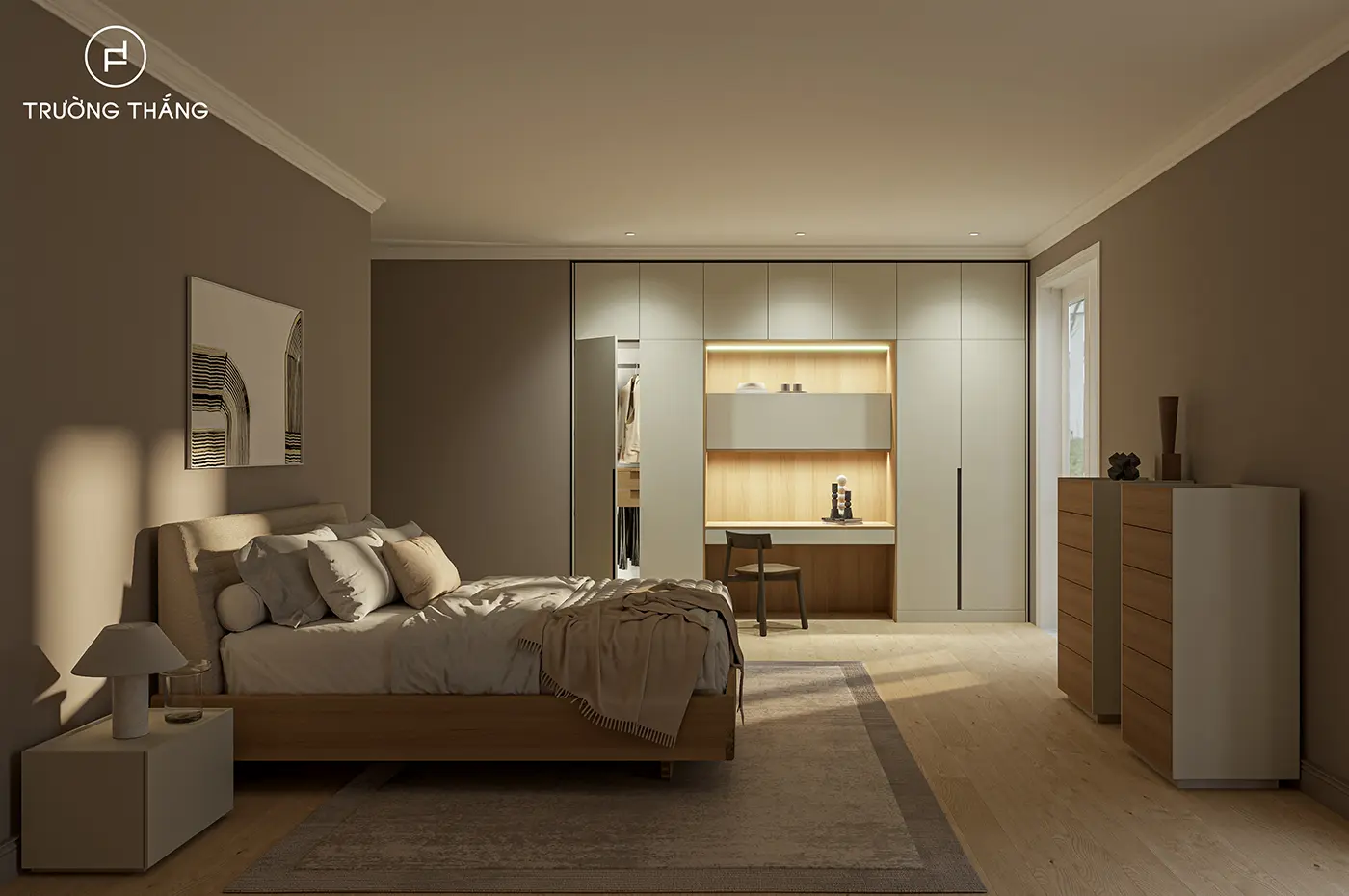
Creating a convenient and well-organized living space starts with an effective way to organize clothes, shoes, and accessories inside your wardrobe. At Truong Thang, thoughtful wardrobe organization is a constant source of inspiration for us. However, arranging, decluttering, and reorganizing a wardrobe so it works better requires a bit of planning and preparation. So let’s get started today and transform your wardrobe into a more functional, inspiring space.
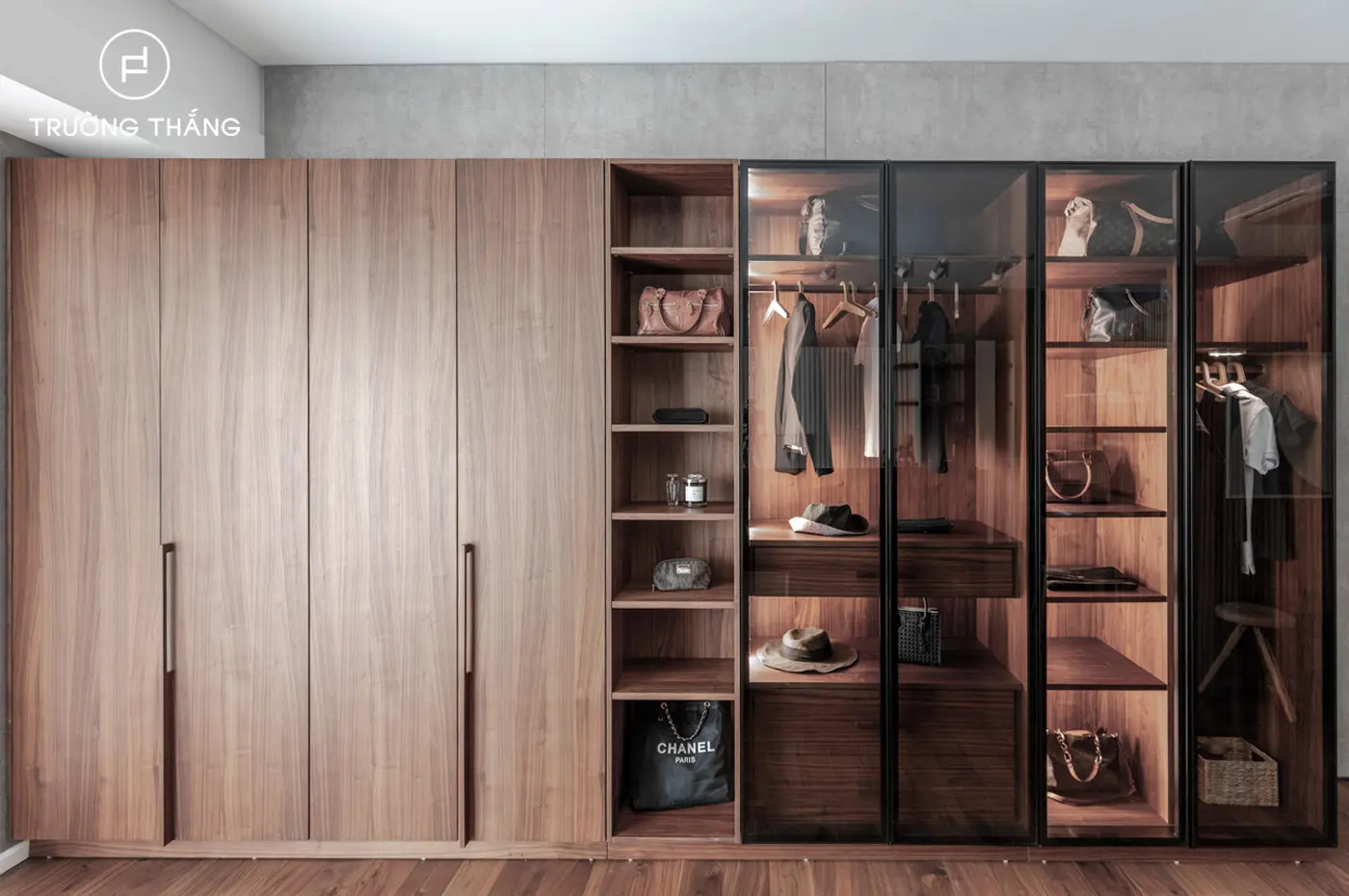
Gathering the right tools and supplies will make wardrobe organization much easier and more efficient:
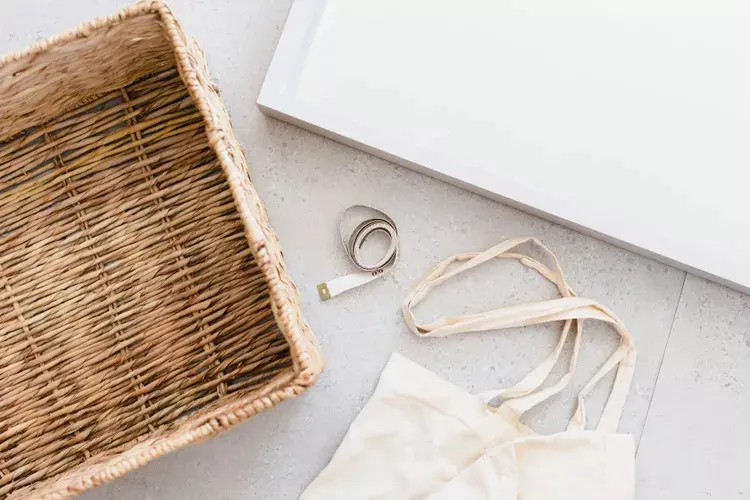
Remove everything from your wardrobe to create a blank slate for better wardrobe organisation.
Take out all clothing, hangers, baskets, boxes, and any items on shelves or the floor. If you’re used to pushing clothes back inside, this step may feel unfamiliar—but you’ll likely rediscover items you forgot you owned.
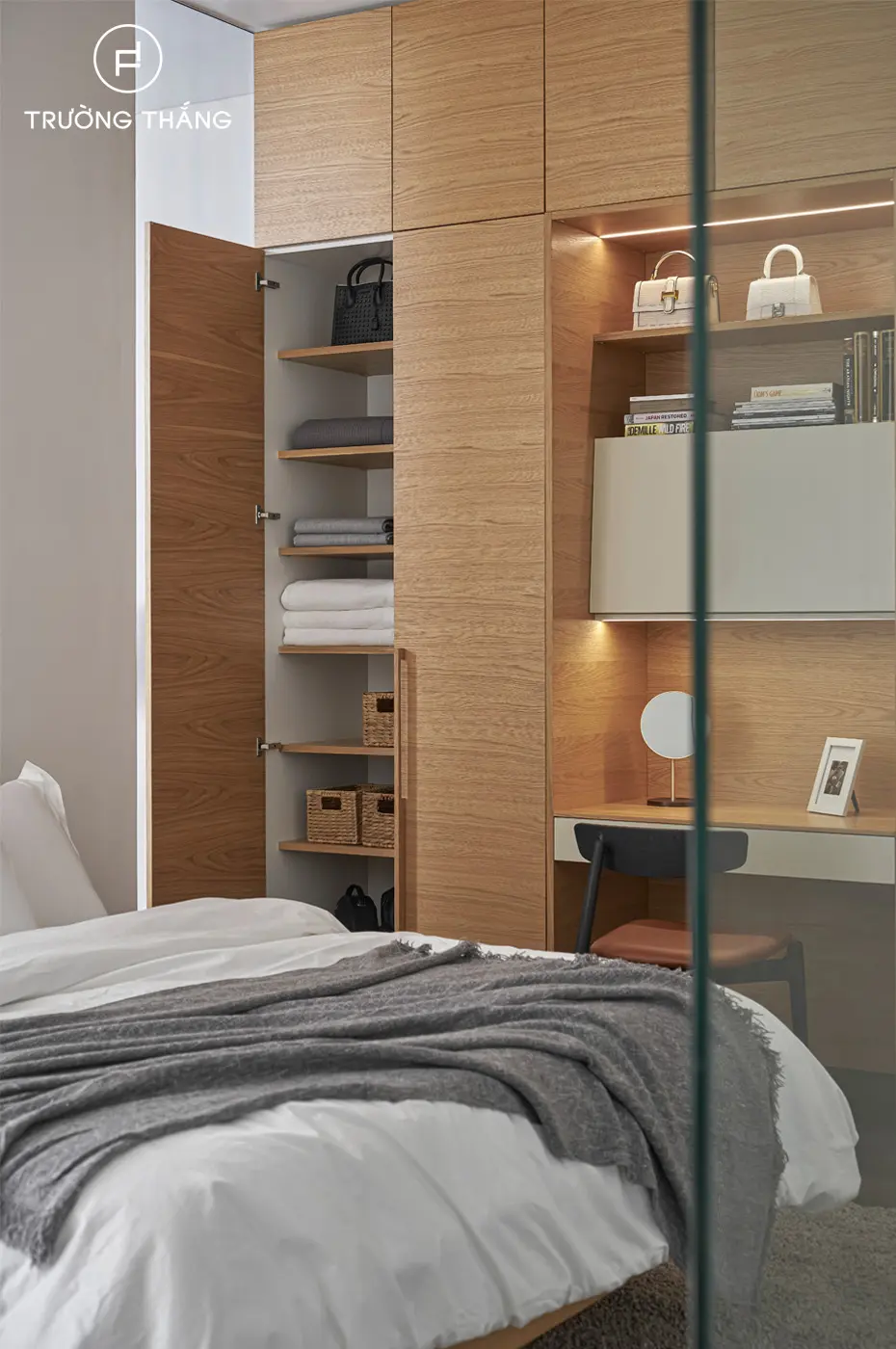
A clean space helps you plan and visualise a more effective wardrobe organisation system.
Firstly, dust shelves and hanging rods. Next, vacuum or sweep and mop the floor. Finally, wipe shelves, rods, walls, and hinges with a multi-purpose cleaner. Don’t forget baskets or boxes—they often collect dust as well.
We often forget what’s inside our wardrobes. The best way to declutter is to take everything out and sort items into categories: shoes, jackets, evening wear, and more. This gives you a clear overview of what you own.
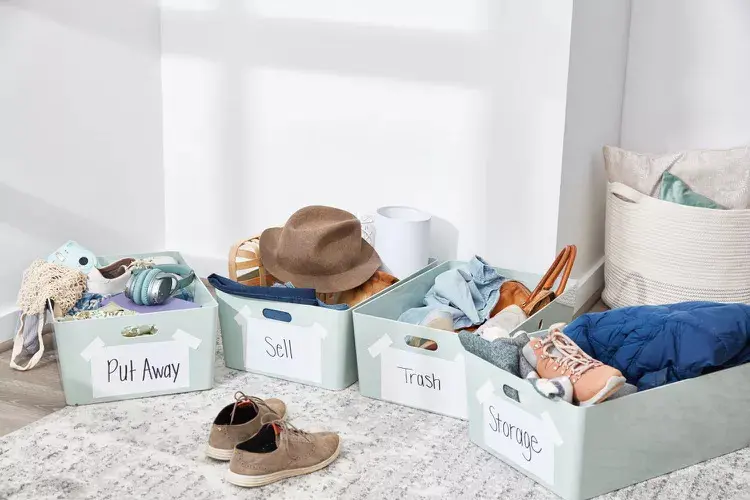
Now it’s decision time. If you have 22 black dresses but only attend formal dinners once a year, it may be time to downsize. Create three piles: keep, donate/discard, and unsure.
Many people hesitate to declutter because they keep items they might need someday or once loved. To make this easier, try the KonMari method—focus on what you want to keep rather than what you’re discarding.
According to Marie Kondo, ask yourself:
If the answer is “yes” to all three, keep it. If you haven’t worn an item in years, it no longer fits, or you don’t like its style or color, it’s best to let it go.
Still unsure? Create a “maybe” box and revisit it after one, three, or six months. If you forget about those items or never think of wearing them, you can confidently donate or sell them.
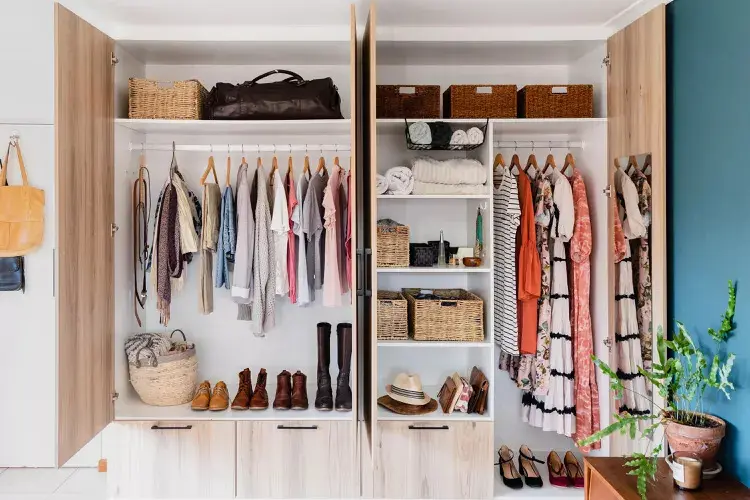
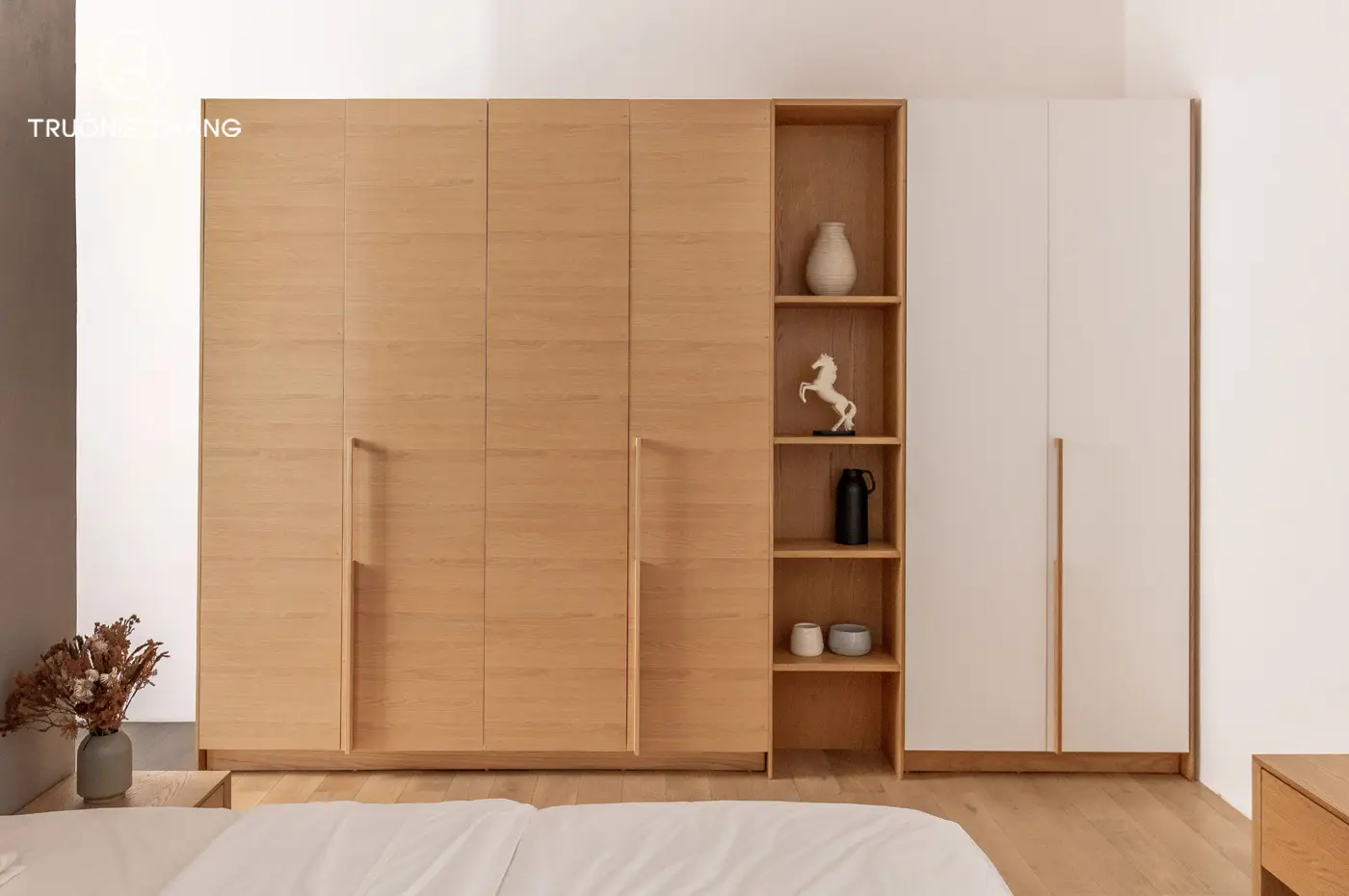
Finding the right wardrobe organization solution for your space can be challenging. Fortunately, there are many excellent storage options available, including modular wardrobe systems. Often, installing a few well-chosen organizers is enough and budget-friendly.
If your current wardrobe lacks functional storage such as shelves, hanging rods, dividers, or drawers, consider upgrading your system. If space is still limited, look for alternative storage areas or reassess which items you truly need to keep.
How you place items back into drawers and shelves depends on your storage plan. Think carefully about where each clothing category should go and which areas are easiest to access. Everything should fit comfortably—avoid overcrowding.
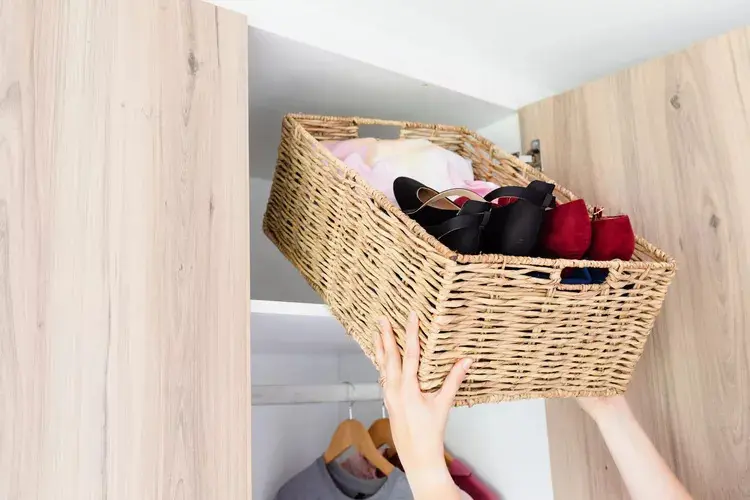
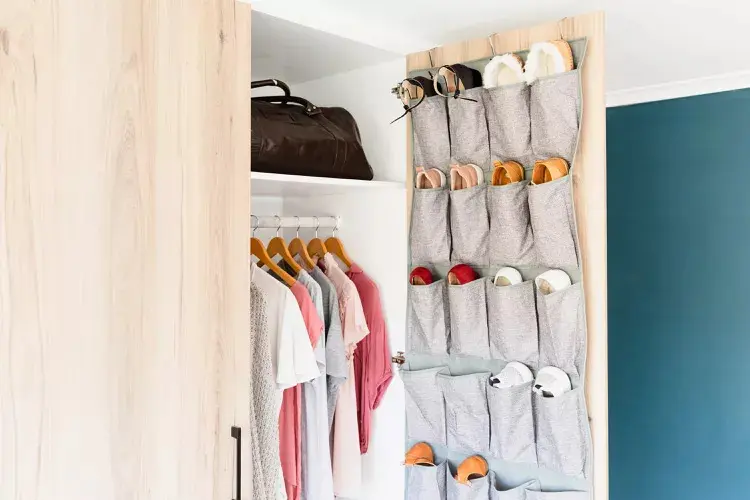
Storage solutions won’t magically create more space in your closet. However, smart wardrobe organization, thoughtful storage solutions, and the right closet system can help you maximize every inch you already have. Below are practical tips to make the most of small spaces:
It’s tempting to invest in an expensive custom closet system. However, you don’t need to if you measure your space carefully, assess what you already own, and plan your storage properly. Buy only what you truly need for wardrobe organization, and reuse existing items. Small bookshelves, storage bins, and baskets work perfectly for handbags, shoes, accessories, and workout clothes.
Finally, always measure your space at least three times before purchasing any new storage item. There’s nothing more frustrating than bringing something home only to realize it’s too big—or too small—for your wardrobe.
The more consistently you maintain your wardrobe, the less time it will take overall. Review your wardrobe organization once a month to keep everything tidy, and plan a full reorganization twice a year.
Make the process easier by following a regular decluttering schedule. You can organize by season, by specific dates (such as birthdays or holidays), or around key life events. The next time you struggle to find an important outfit, take it as a clear sign that your wardrobe organization needs a refresh.
Source: the spruce
Contact Truong Thang for an interior consultation tailored to your lifestyle!
Founded in 2004, Truong Thang has been driven by the vision of building a premium, sustainable interior ecosystem. We are committed to delivering high-quality products that are safe for your health. At the same time, our solutions are tailored to the needs and lifestyle of Vietnamese families.
If you’re looking for interior design and building solutions for your home, Truong Thang is a trusted choice. We offer products crafted from premium materials, with refined design and flexible application across various styles and modern living spaces.