
Showroom System               72 - 74 Nguyen Co Thach Street, (Sarimi Building), Sala Urban Area, Ho Chi Minh City               23 Nguyen Luong Bang Street (Greenview Building), Phu My Hung Urban Area, Ho Chi Minh City
Living News

Living Room Material Trends 2026

Today, the living room is no longer simply a place to welcome guests. It is also a space that reflects the homeowner’s aesthetic taste and lifestyle. Therefore, alongside layout and color, living room materials are receiving increasing attention. The right materials enhance the overall aesthetics of the space. At the same time, they also affect comfort, durability, and long-term user experience.

In 2026, material trends continue to move toward natural, minimalist, and sustainable choices. In addition, safety and practicality are becoming more important. Below are some of the key living room material trends to watch.

I. Natural wood and veneer remain popular

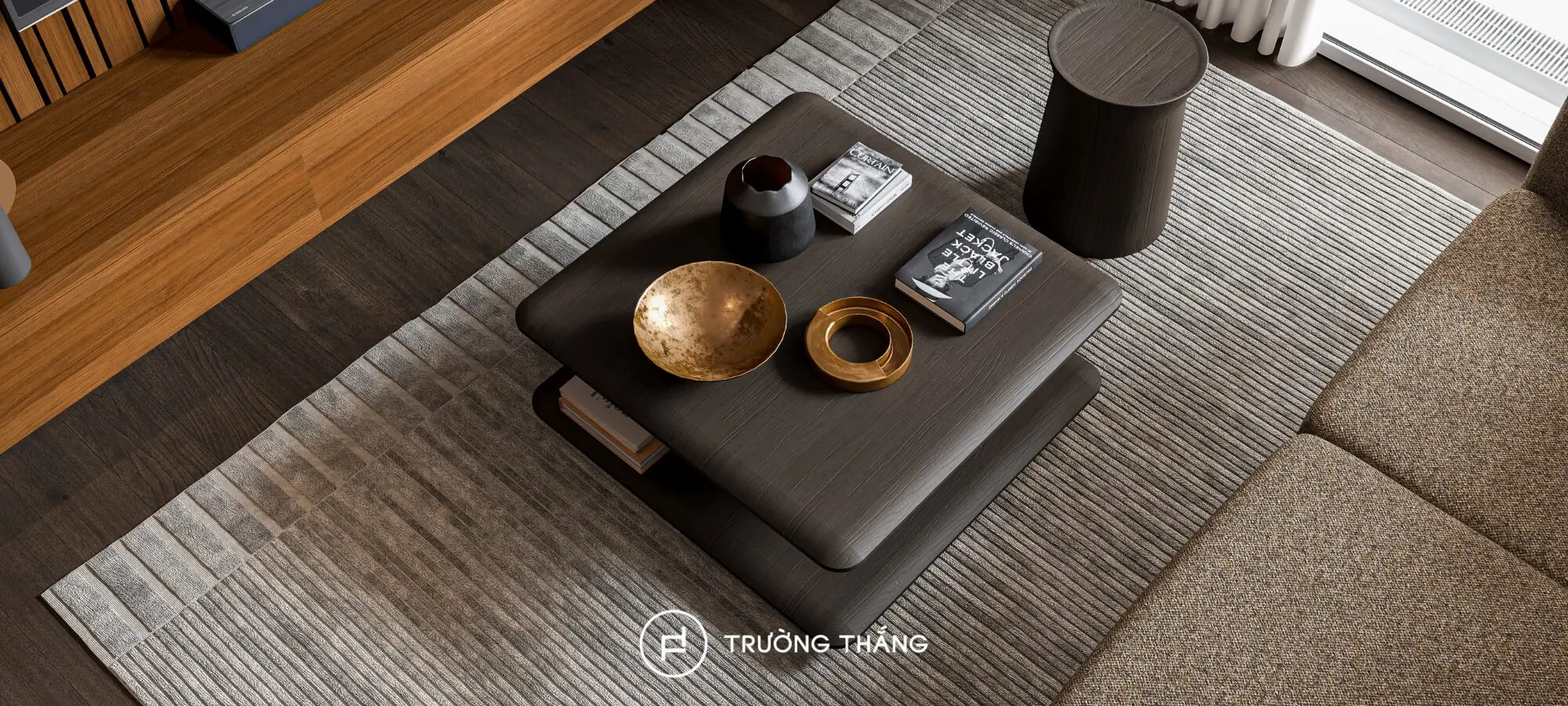
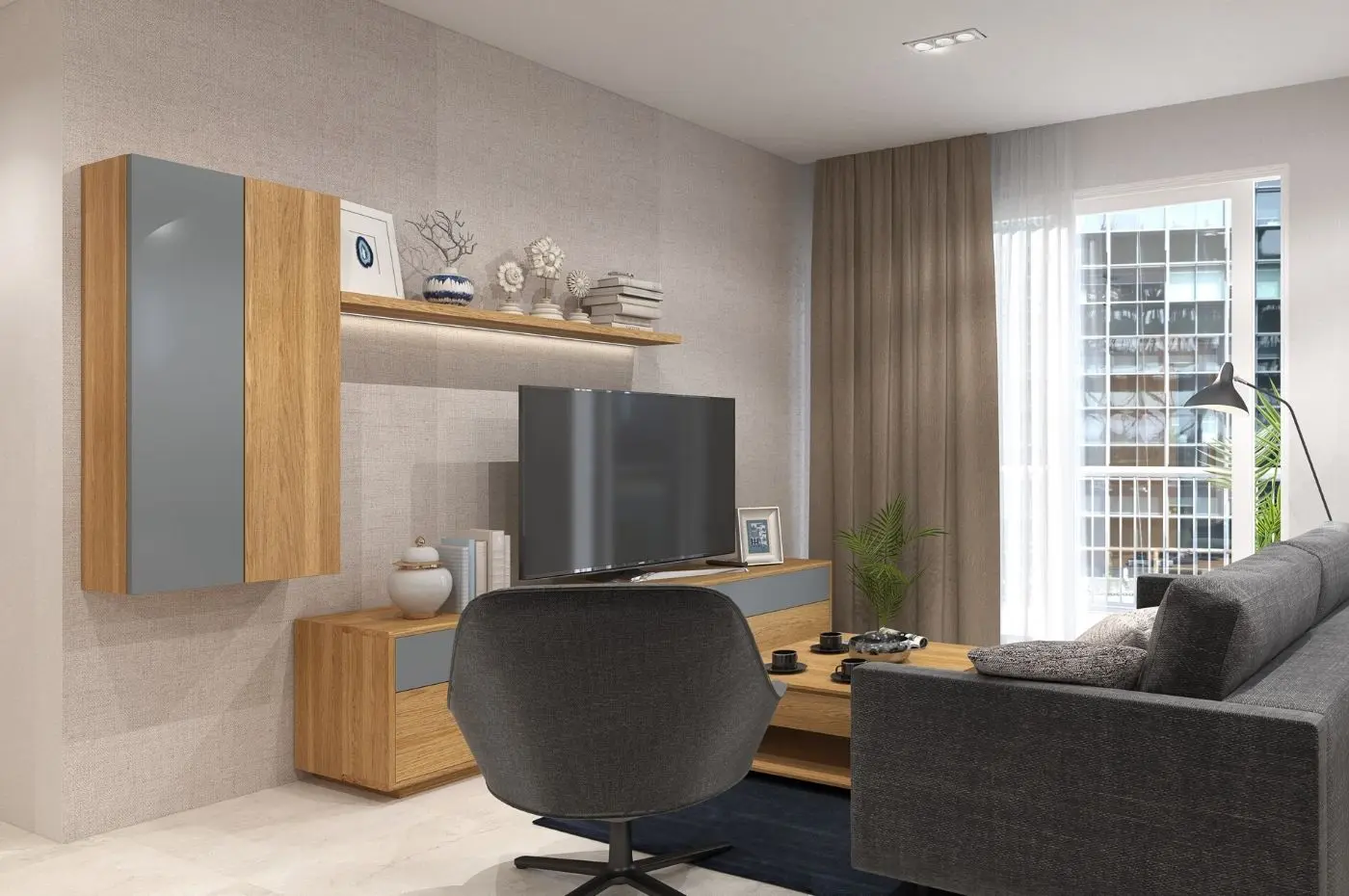
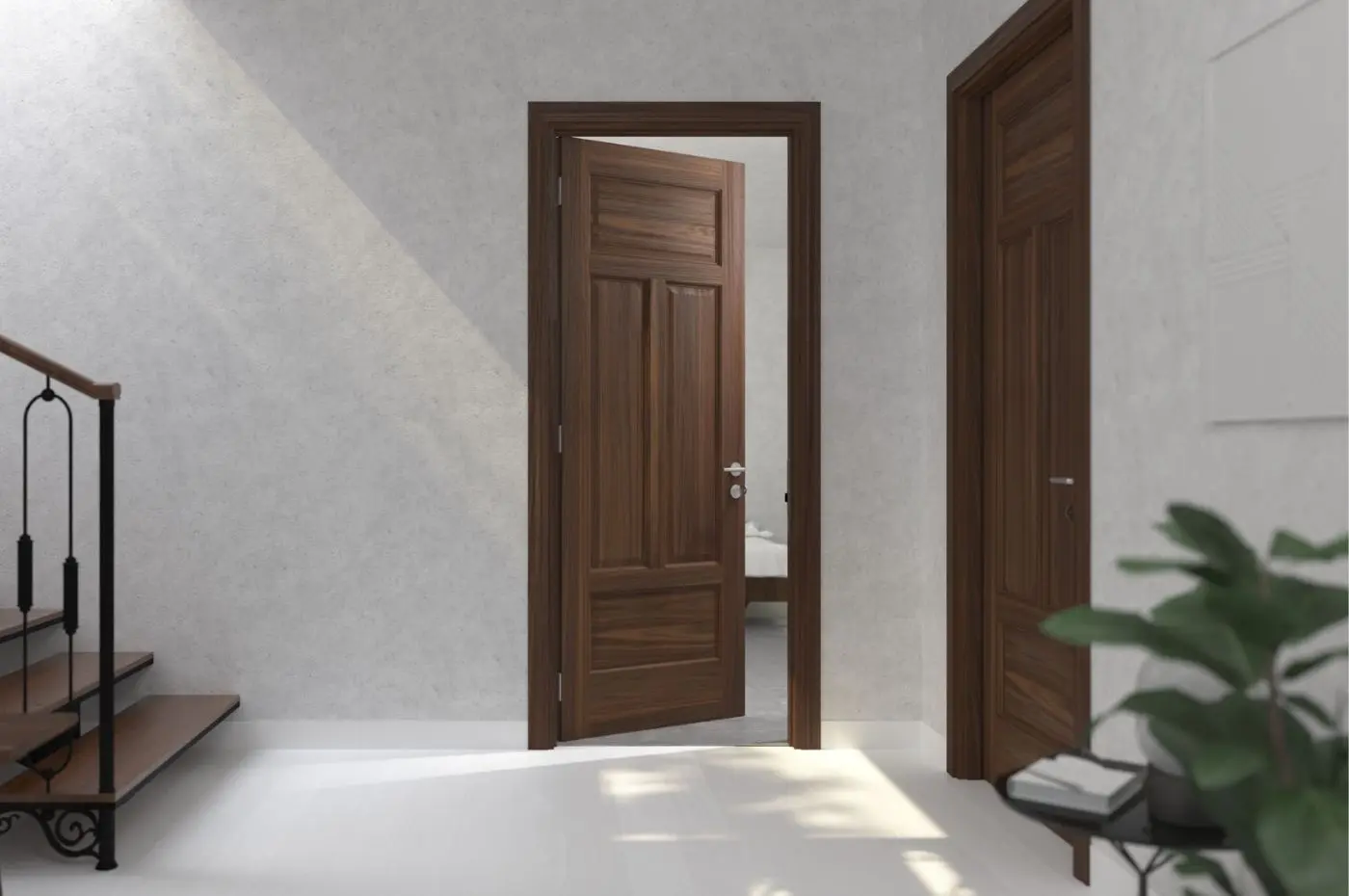
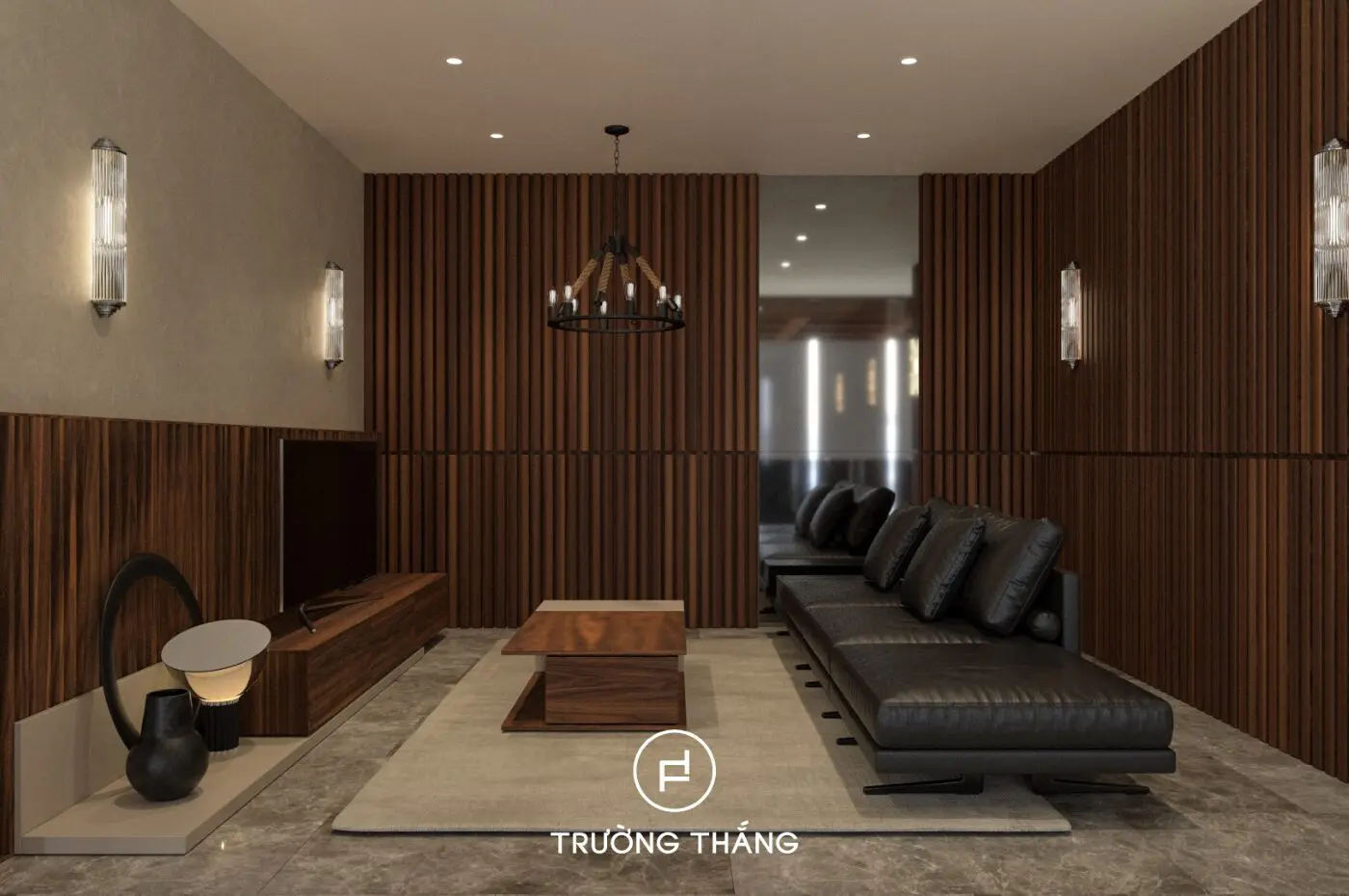
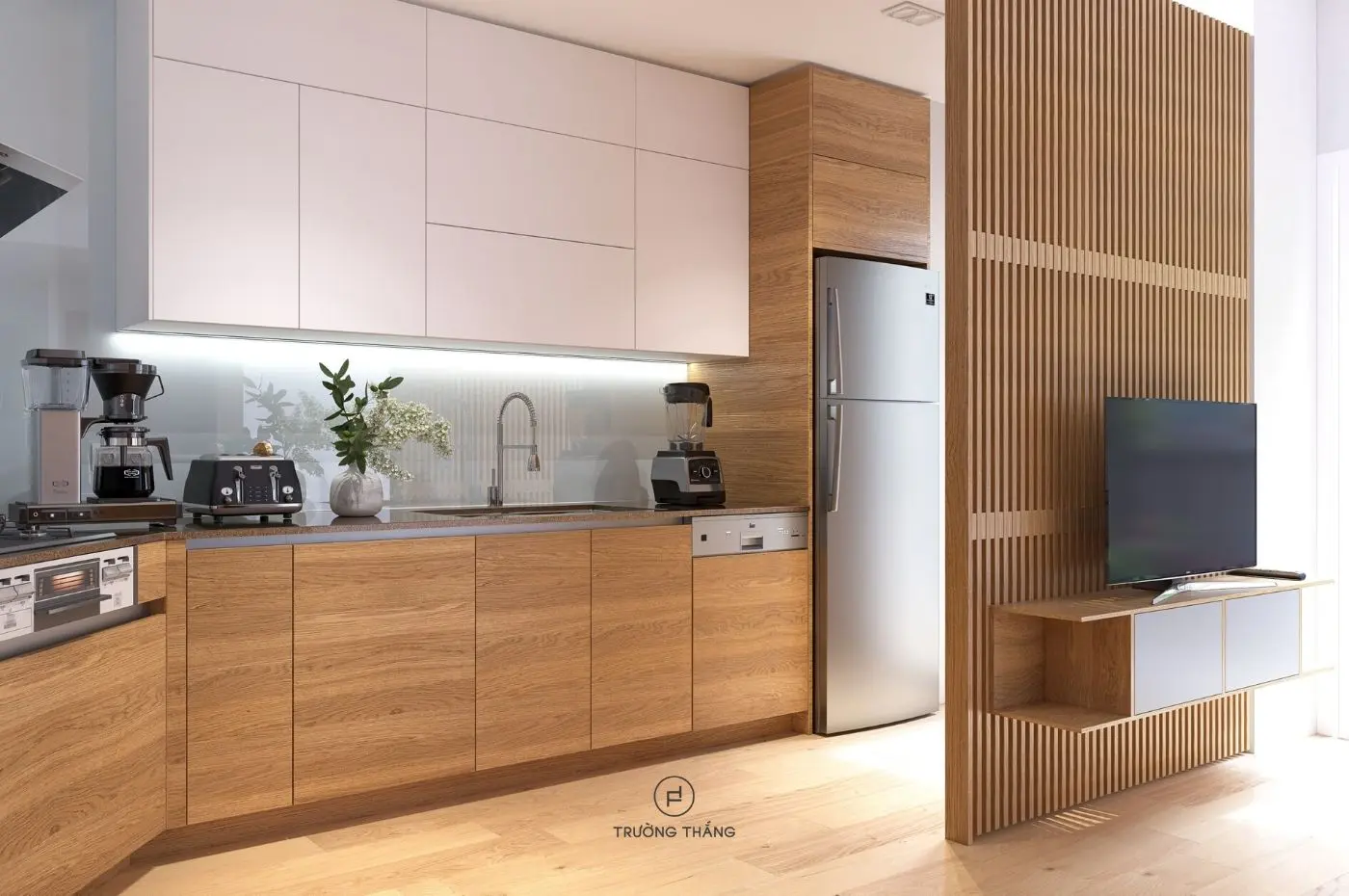
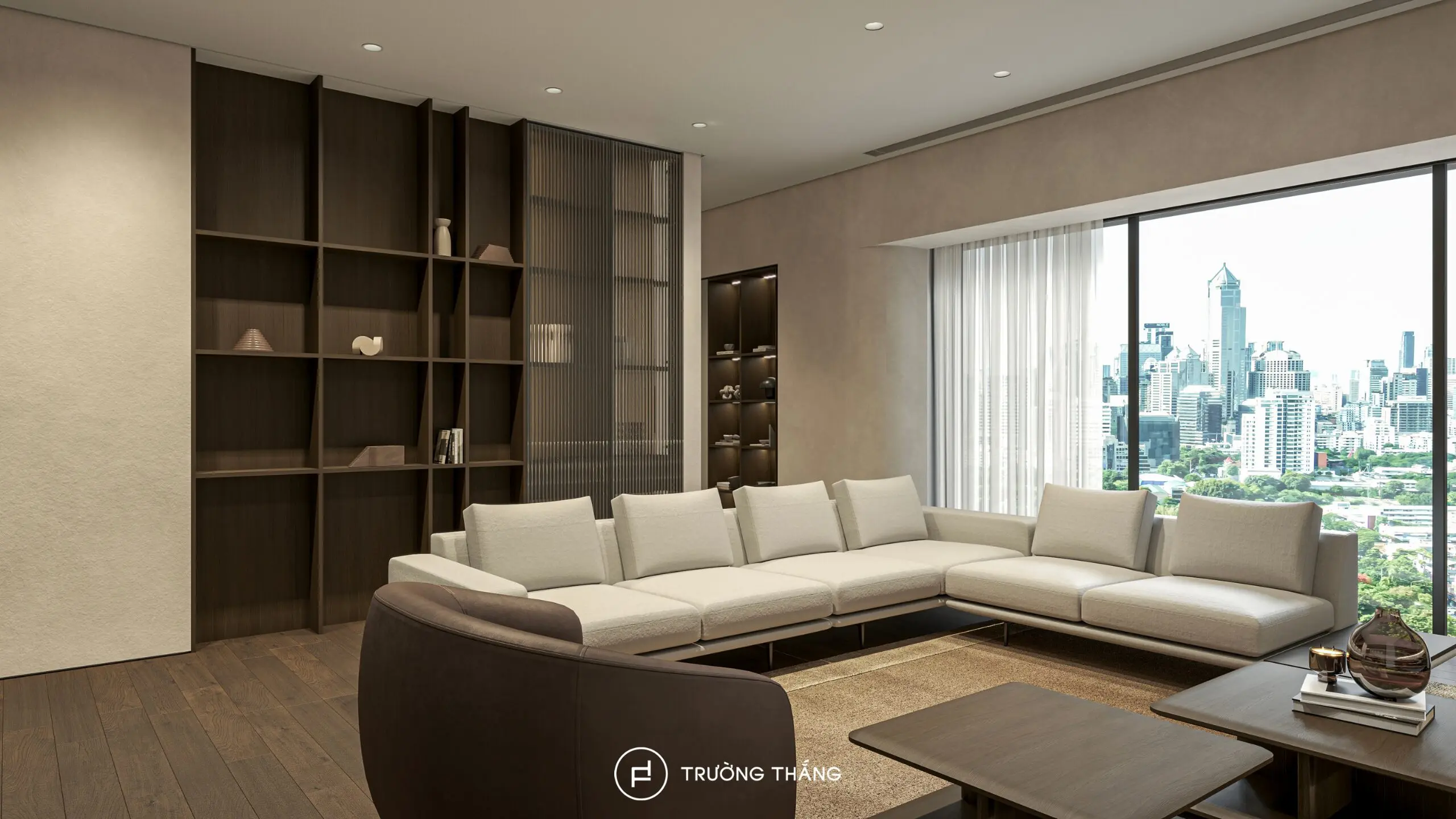
Wood remains a familiar material in living room design. It brings warmth, a sense of closeness to nature, and versatility in different interior styles. Instead of using too many wooden details, the new trend focuses on selective applications. For example, wood can be used for wall panels, TV units, cabinetry, doors, or flooring.

In particular, surfaces that preserve the natural wood grain are becoming increasingly popular. Matte finishes also create a softer and more contemporary look. Alongside solid wood, natural veneer is also widely used. This material retains the beauty of real wood grain. At the same time, veneer offers greater flexibility when applied to large-scale interior systems.

As a result, the living room can maintain a natural appearance while still achieving visual consistency.

II. Natural stone and stone-look surfaces create focal points

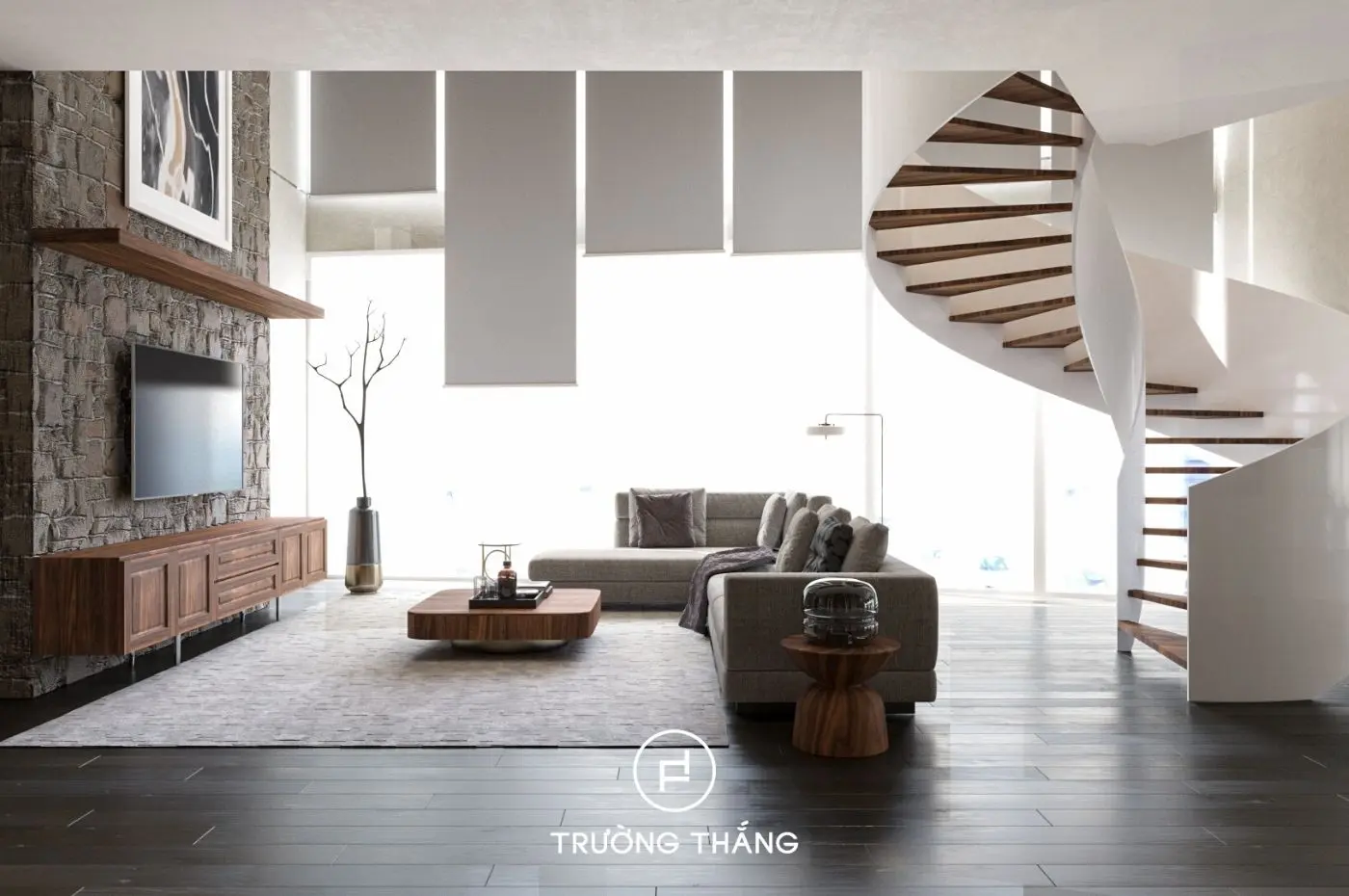
Stone continues to play an important role in modern living room design. Marble and travertine, in particular, remain popular choices among homeowners. In addition, stone-look surfaces are becoming increasingly diverse. They are commonly used for TV feature walls, coffee tables, or console tables.

However, the 2026 trend is moving away from overly glossy finishes. Instead, stone with subtle veining and neutral tones is preferred. Matte surfaces also make the space feel softer and more comfortable. At the same time, they help avoid an overly ostentatious appearance.

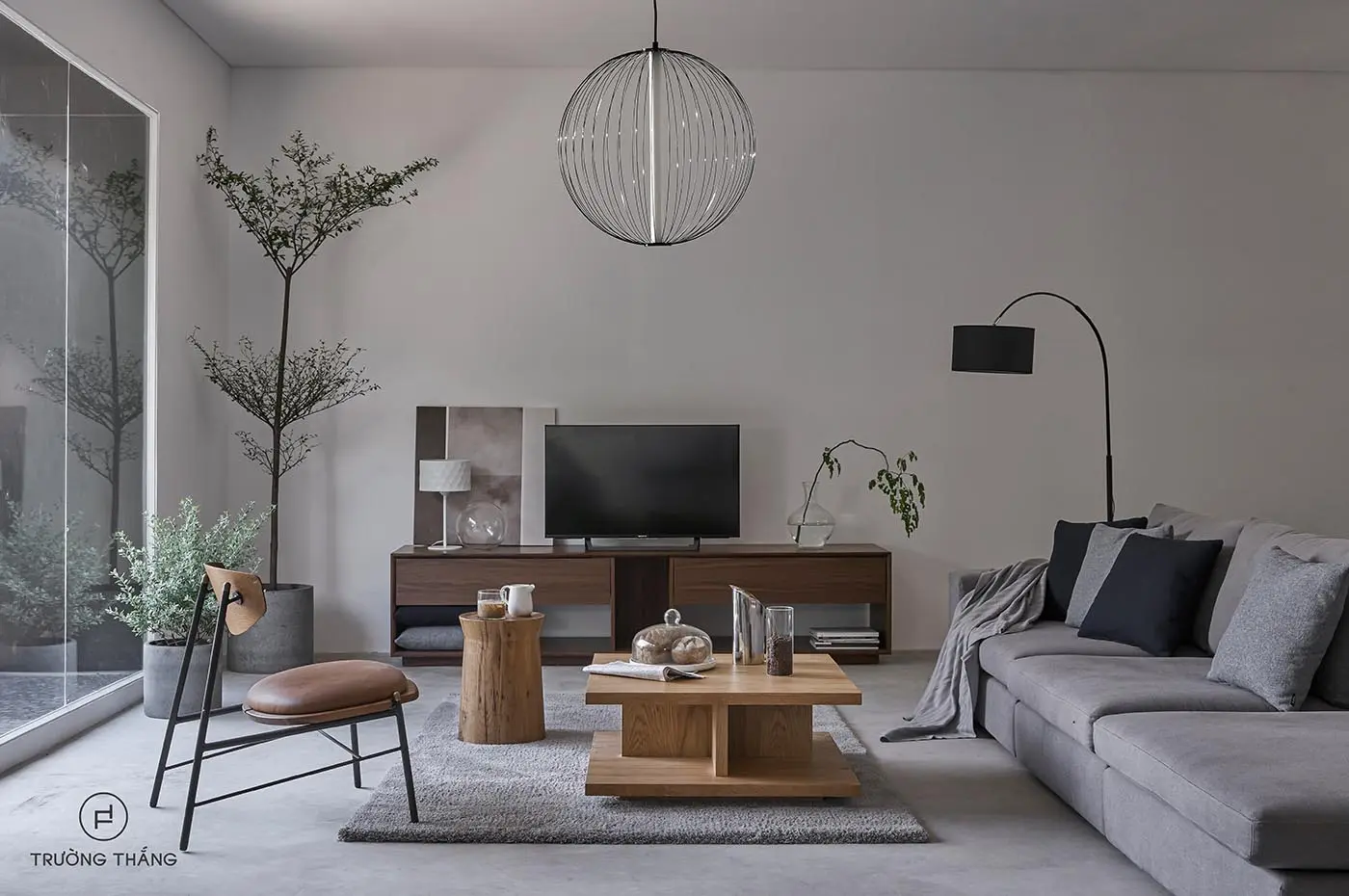
When combined with wood, stone creates an appealing balance. Wood brings warmth, while stone adds a modern and refined touch.

III. Textured fabrics and tactile materials are on the rise

Another notable trend is the growing use of textured surfaces. Instead of focusing only on color, interior design is paying greater attention to tactile qualities.

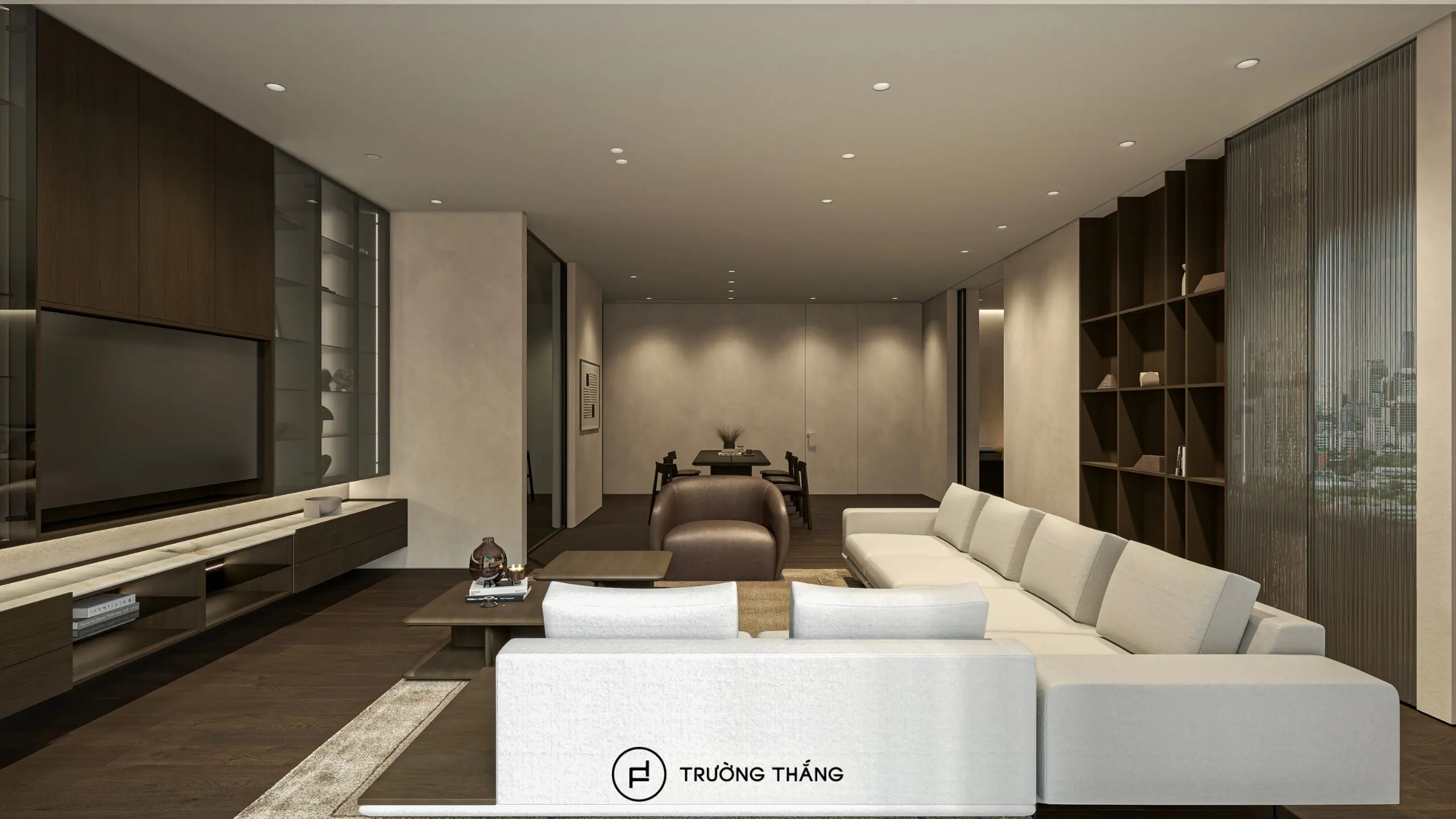
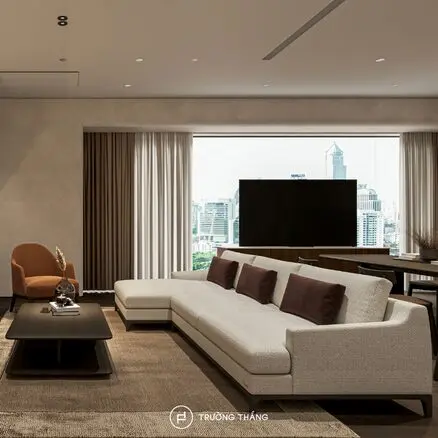
Woven fabric sofas, linen, and bouclé are increasingly popular. In addition, natural-fiber rugs and textured curtains help create a softer atmosphere.

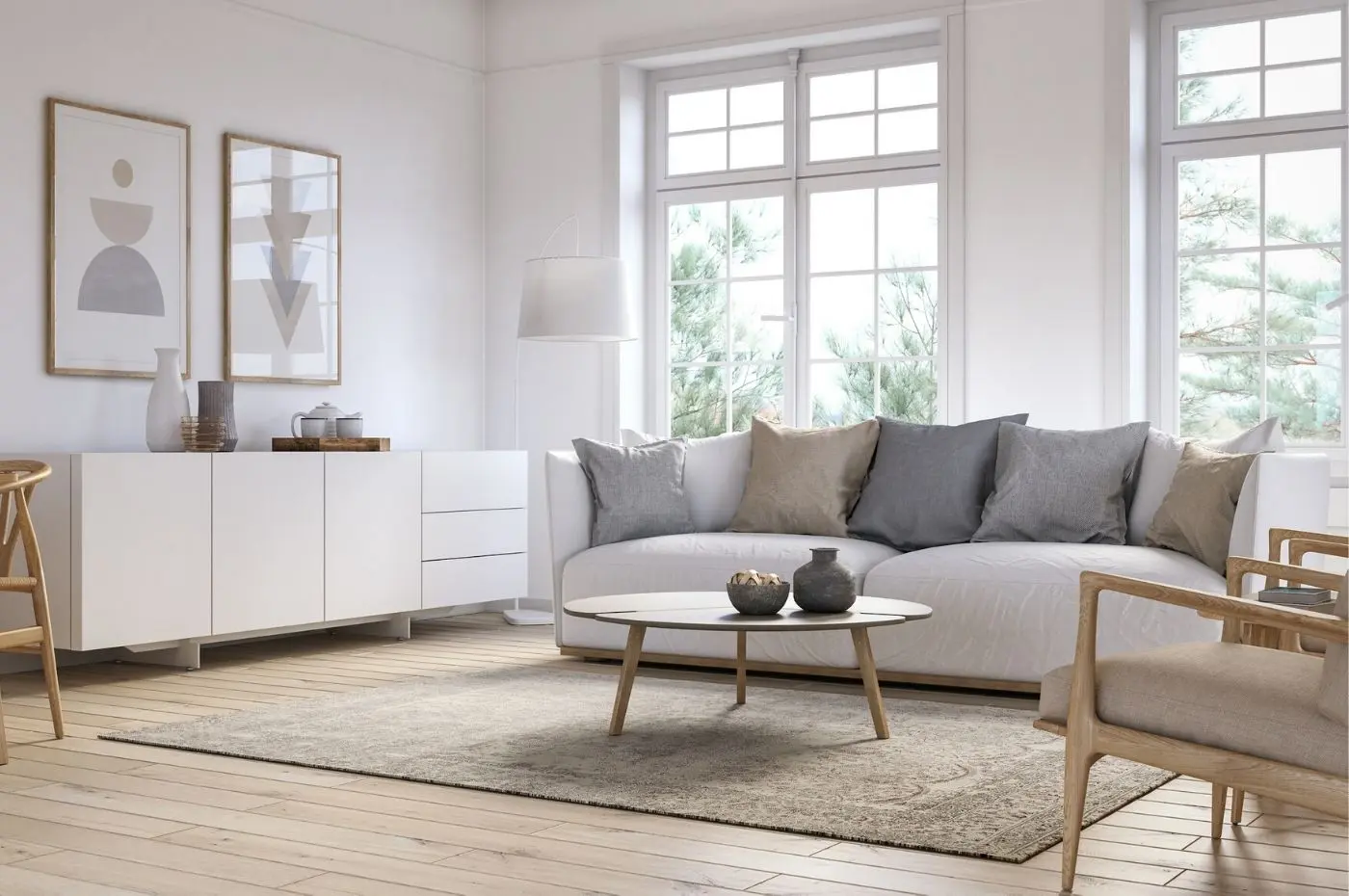
These materials suit a wide range of interior styles. Examples include Modern, Scandinavian, Japandi, and Minimalism.

In particular, textured materials add depth to the living room. Therefore, the space can still feel visually interesting even when a neutral color palette is used.

IV. Metal is used as a refined accent

Metal continues to appear in living room interiors, but in a more restrained way. Details such as table legs, shelving frames, handles, or decorative lighting often feature brushed stainless steel, black-coated metal, brushed brass, or champagne finishes.

Metal creates contrast with wood, stone, and fabric. However, it should not be overused. Small, carefully placed details can make the overall space feel more modern and refined.

V. Matte finishes replace glossy surfaces

Matte finishes continue to be a popular choice in living room interior design.

Compared with highly reflective glossy surfaces, matte materials create a softer, more elegant appearance and work well with natural light. Matte paint, veneer, honed stone, and brushed metal all complement the minimalist spirit of 2026 interiors.

This approach also helps the living room maintain a timeless appearance without relying too heavily on short-lived trends.

VI. Sustainable materials receive greater attention

Alongside aesthetics, homeowners are paying more attention to material origins and safety.

Wood from clearly identified sources, low-emission materials, safe surface finishes, and long-lasting products are increasingly preferred. Instead of frequently replacing interior elements, the new trend encourages choosing quality materials from the beginning for long-term and sustainable use.

How should living room materials be combined?

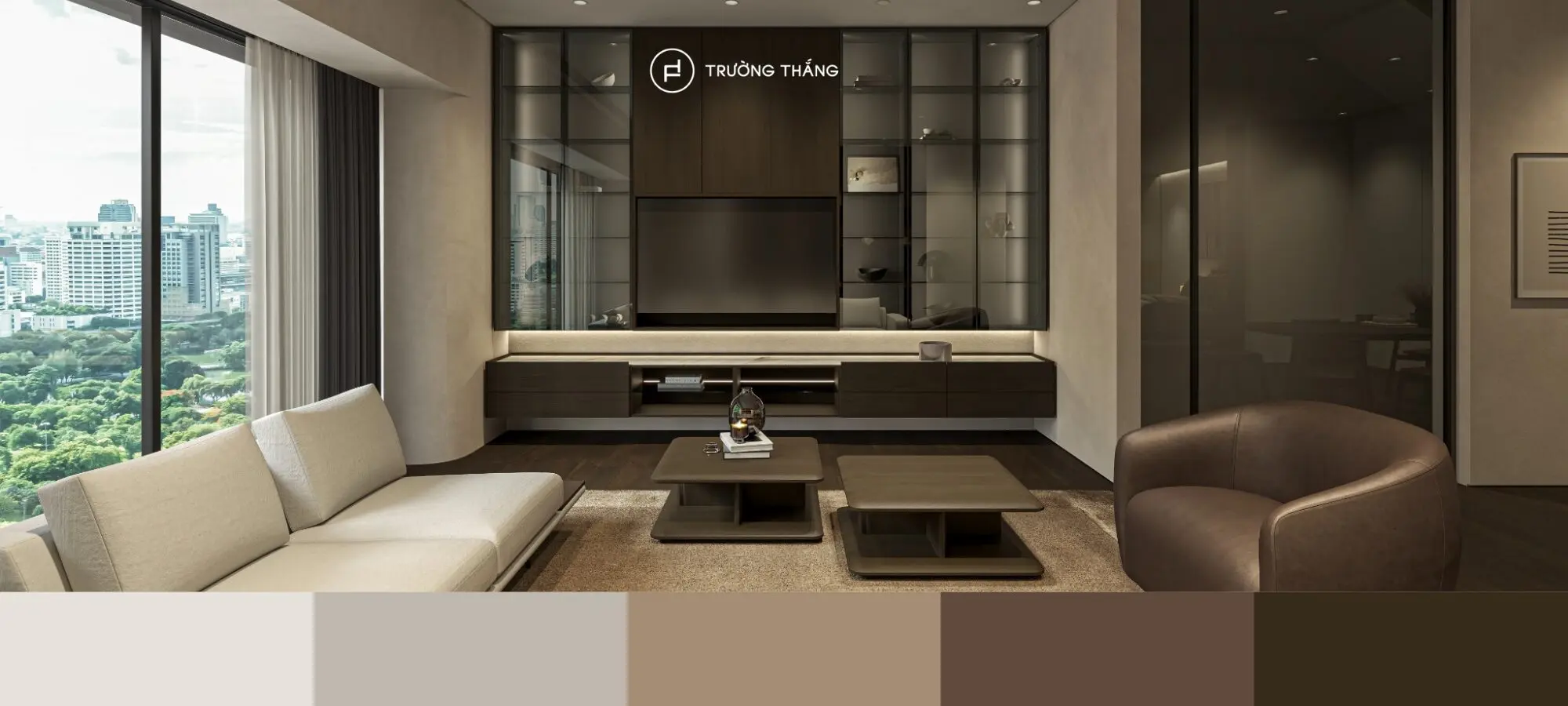
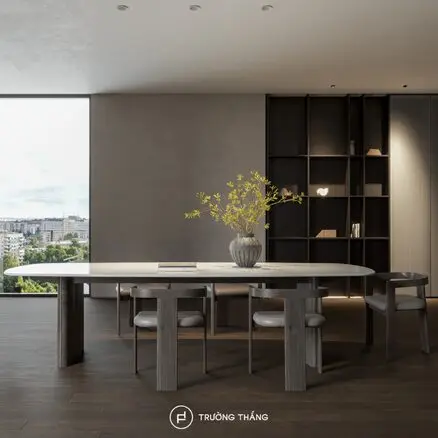
A beautiful living room does not require too many different materials. The key is to create balance between color, texture, and proportion. Homeowners can use wood as the main material, combine it with stone as an accent, add fabric for warmth, and introduce metal through a few subtle details. A neutral color palette can also help the materials connect more naturally and maintain a timeless appearance.

Living room material trends in 2026 show that interior design is increasingly moving toward lasting values: natural materials, authentic surfaces, minimalist colors, and long-term user experience.

Contact Truong Thang for an interior consultation tailored to your lifestyle!

Founded in 2004, Truong Thang has been driven by the vision of building a premium, sustainable interior ecosystem. We are committed to delivering high-quality products that are safe for your health. At the same time, our solutions are tailored to the needs and lifestyle of Vietnamese families.

If you’re looking for interior design and building solutions for your home, Truong Thang is a trusted choice. We offer products crafted from premium materials, with refined design and flexible application across various styles and modern living spaces.