Showroom System 72 - 74 Nguyen Co Thach Street, (Sarimi Building), Sala Urban Area, Ho Chi Minh City
23 Nguyen Luong Bang Street (Greenview Building), Phu My Hung Urban Area, Ho Chi Minh City
Understanding Plywood Boards and Their Uses with Truong Thang
Plywood board has been a popular material for built-in furniture for decades. Thanks to its versatility and affordability, many homeowners now choose plywood instead of solid wood furniture. Unlike many building materials, plywood boards combine flexibility, durability, and the natural beauty of wood. Manufacturers produce plywood in a wide variety, from softwood to hardwood, with different finishes available. Homeowners often use this material for roofing, flooring, furniture, cabinetry, wall panels, and DIY projects.
1. What is a plywood board?
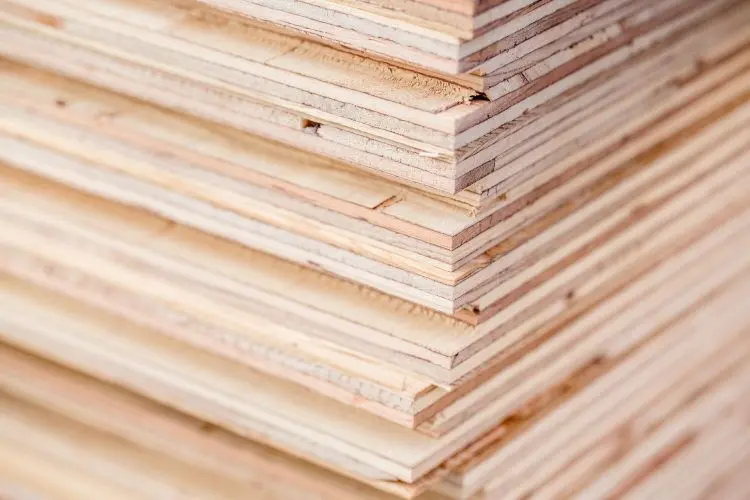
A plywood board is an engineered wood product. Manufacturers bond thin layers of natural wood veneer together under high pressure using resin adhesive. This process creates a flat, strong, and flexible wood panel. Many homeowners choose plywood because it costs less than solid wood and offers better resistance to warping and shrinkage over time.
Many homeowners prefer plywood because it remains stable and affordable over long-term use.
2. The Best Types of Plywood Board for Interior Furniture
Manufacturers classify more than 18 types of plywood based on wood species, applications, and production methods. However, the three most common types are MR ply, BWR/BWP ply, and Marine ply.
Moisture-Resistant Plywood – MR Ply
People also call MR ply commercial plywood. Local manufacturers commonly supply this material for interior furniture applications. Tables, cabinets, and wardrobes made from commercial plywood provide good moisture resistance in humid environments. Therefore, homeowners in tropical countries often choose this material. However, MR plywood cannot resist direct water exposure.
Boiling Water Resistant Plywood – BWR / BWP Ply
Many homeowners prefer this material for both interior and exterior applications. Its water-resistant properties allow it to perform well in different weather conditions. As a result, contractors often install BWR/BWP plywood in bathrooms, kitchens, staircases, exterior wall cladding, and other moisture-prone spaces.
Marine Ply
Marine plywood delivers premium quality and excellent water resistance. Manufacturers mainly use this material in boat building and industrial environments with heavy water exposure. Many people believe marine plywood works best for kitchens. In reality, BWR/BWP plywood already provides sufficient performance for kitchen use.
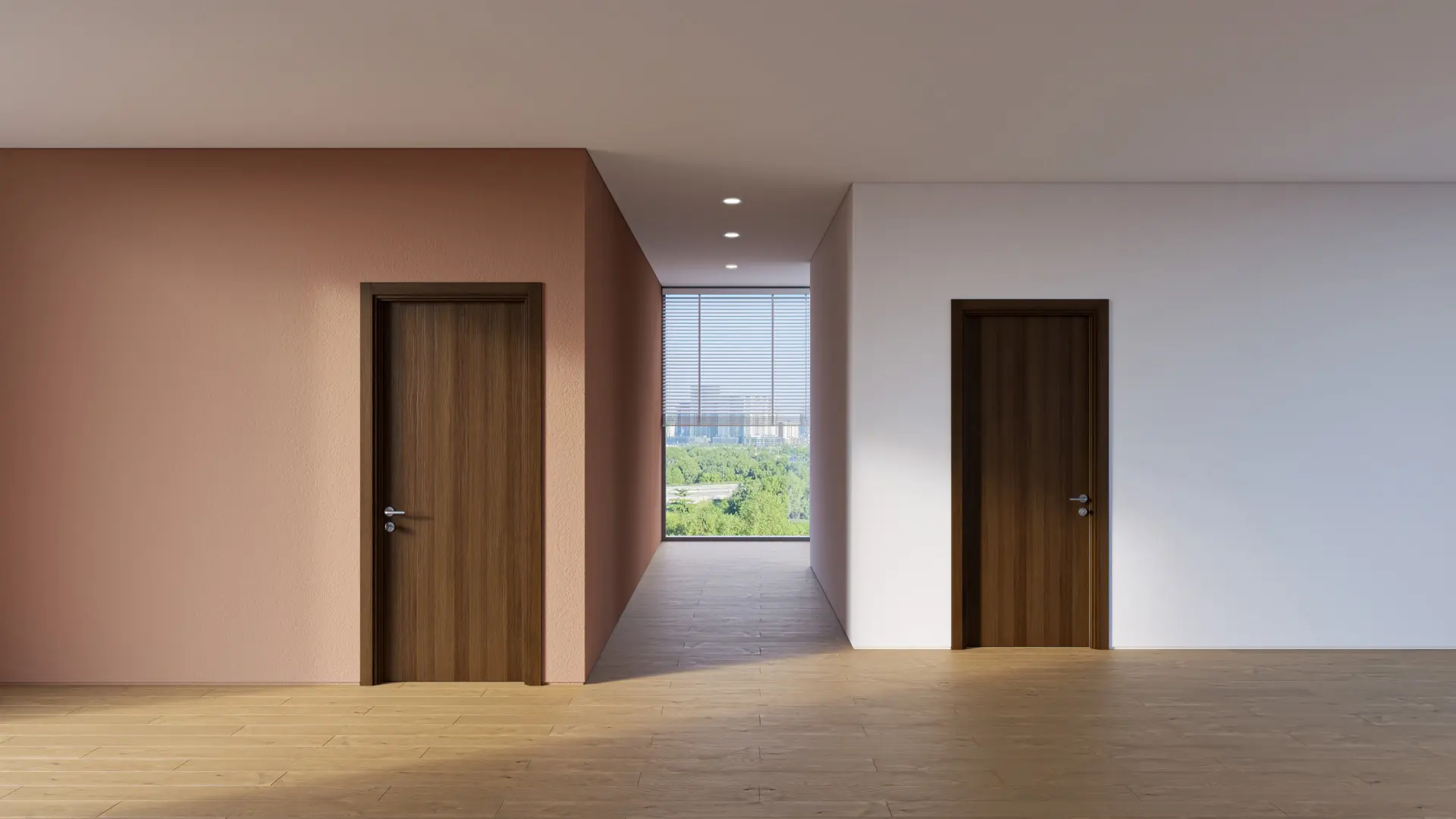
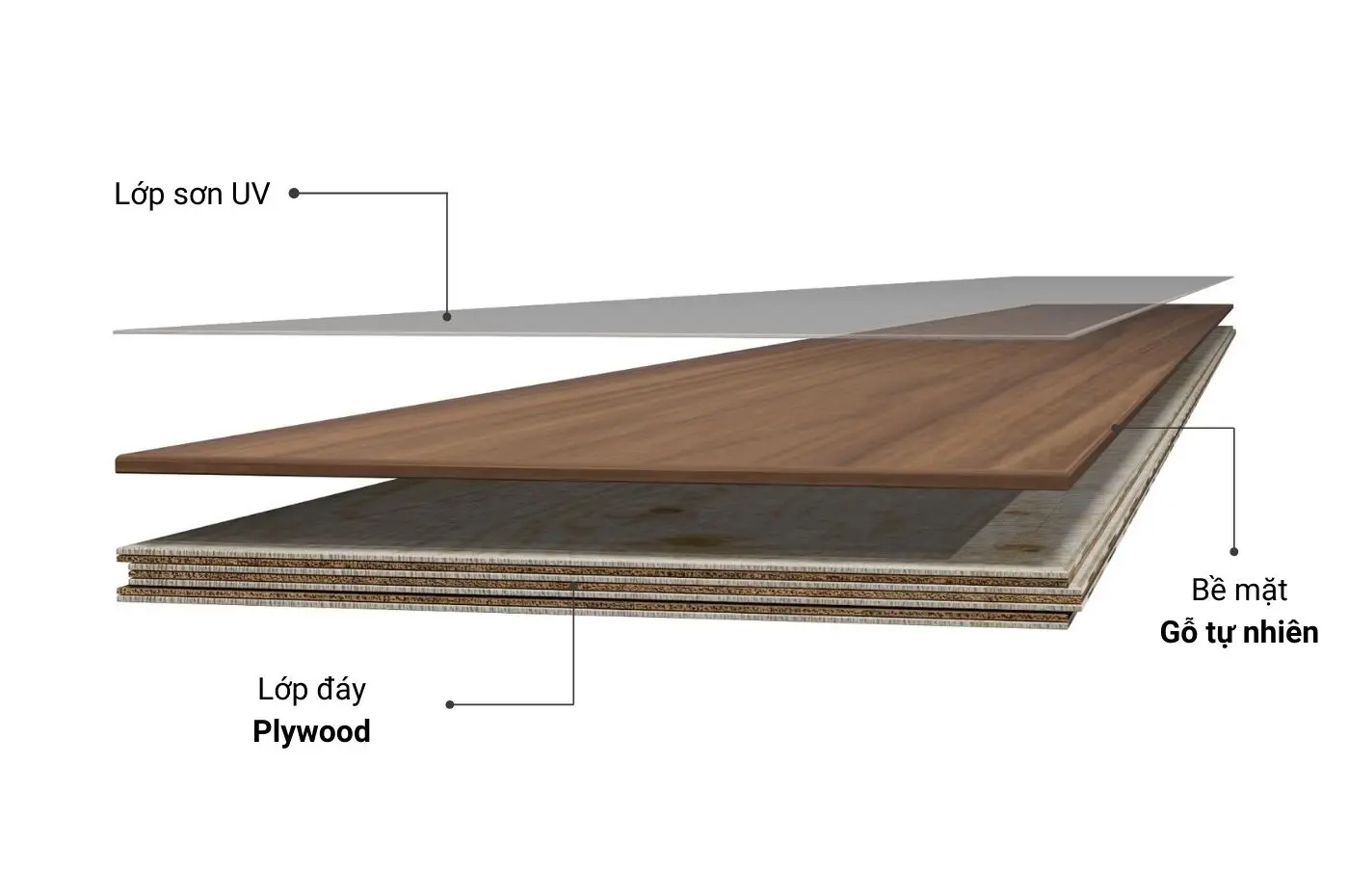
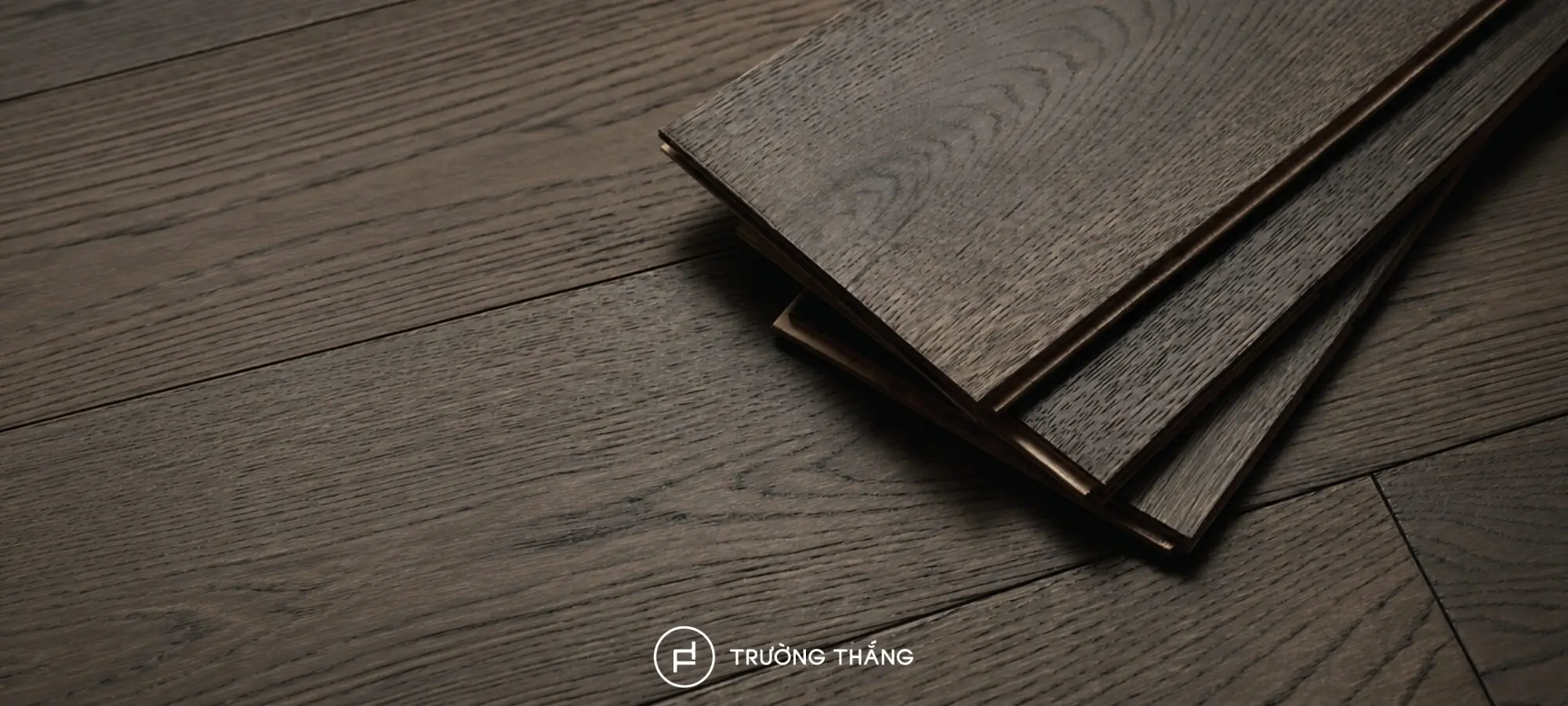
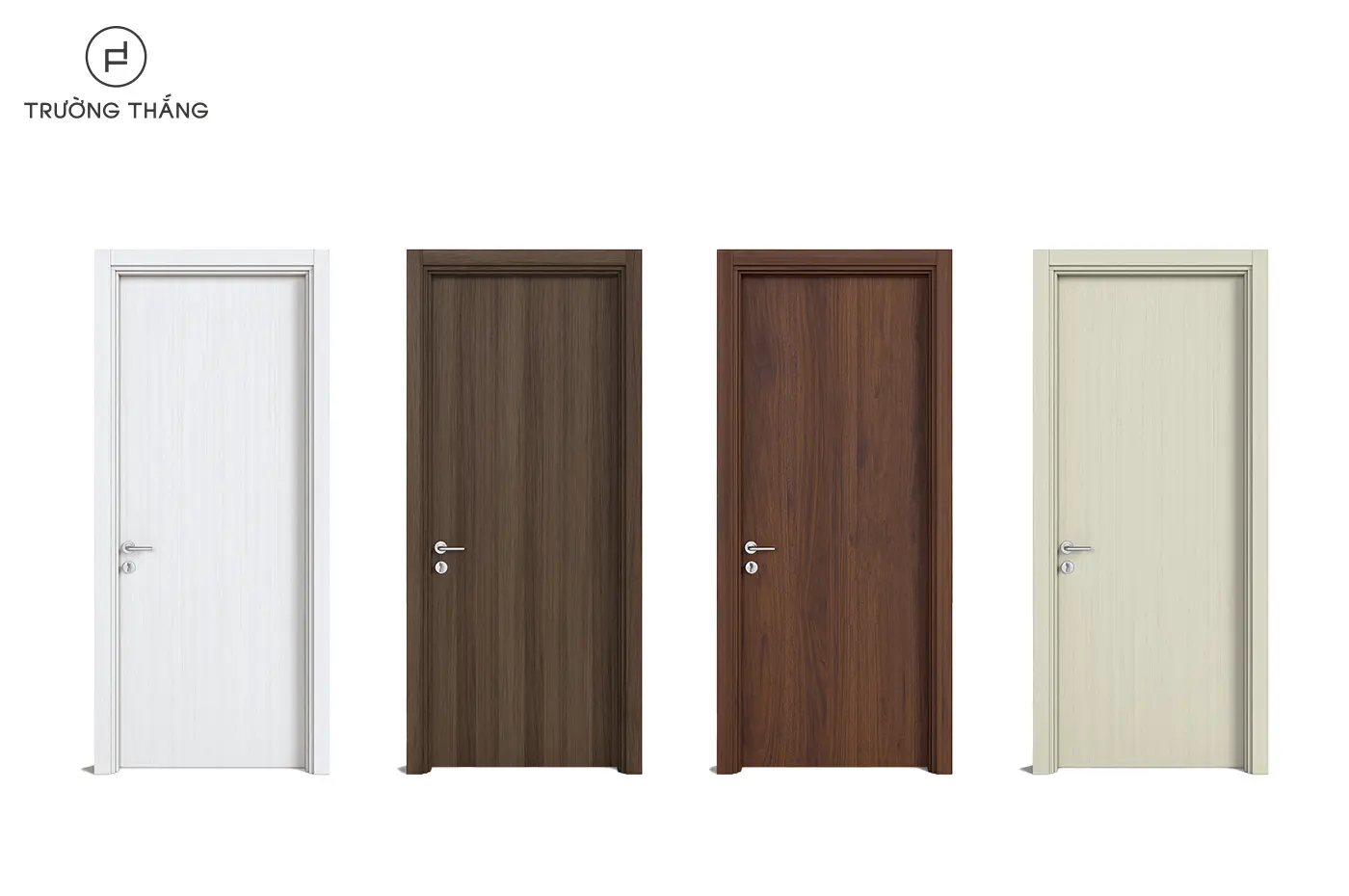
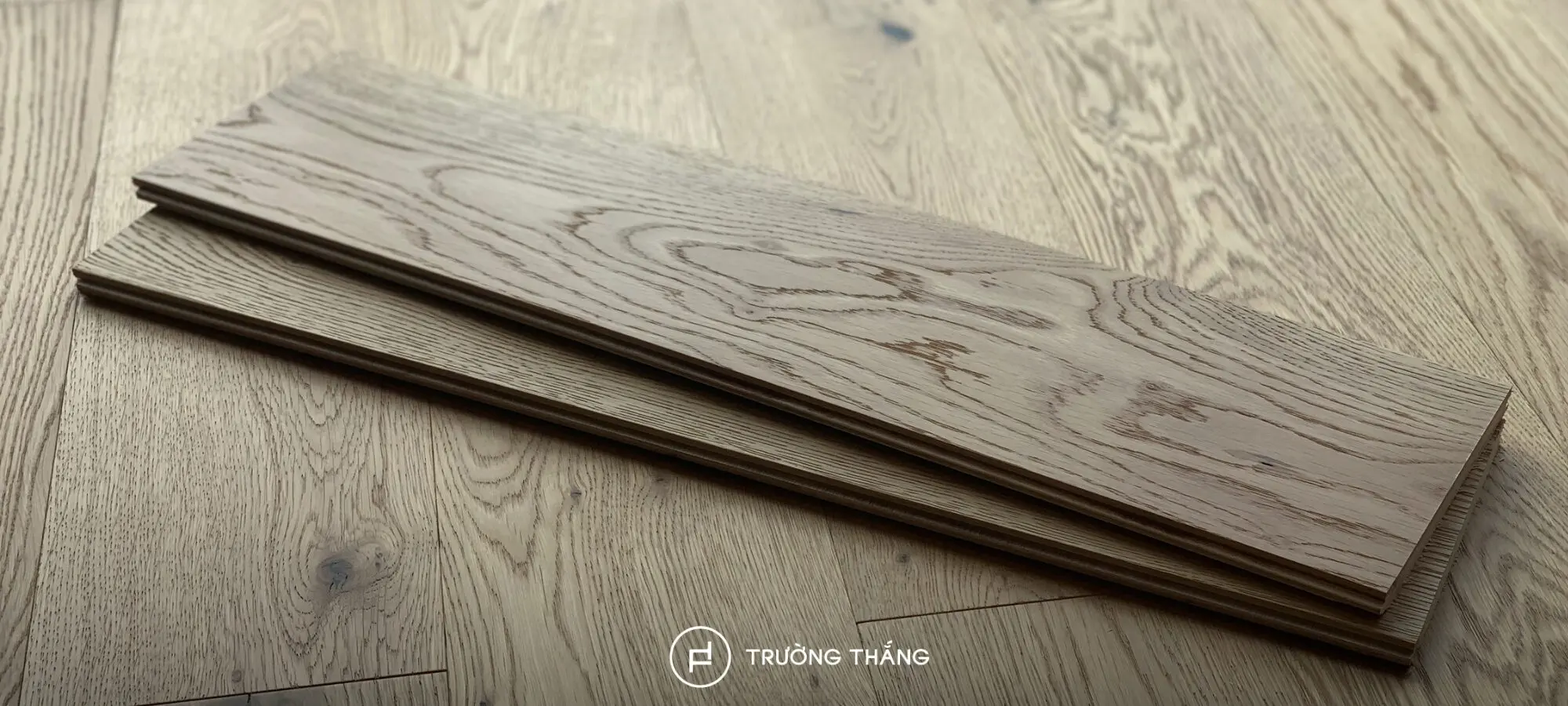
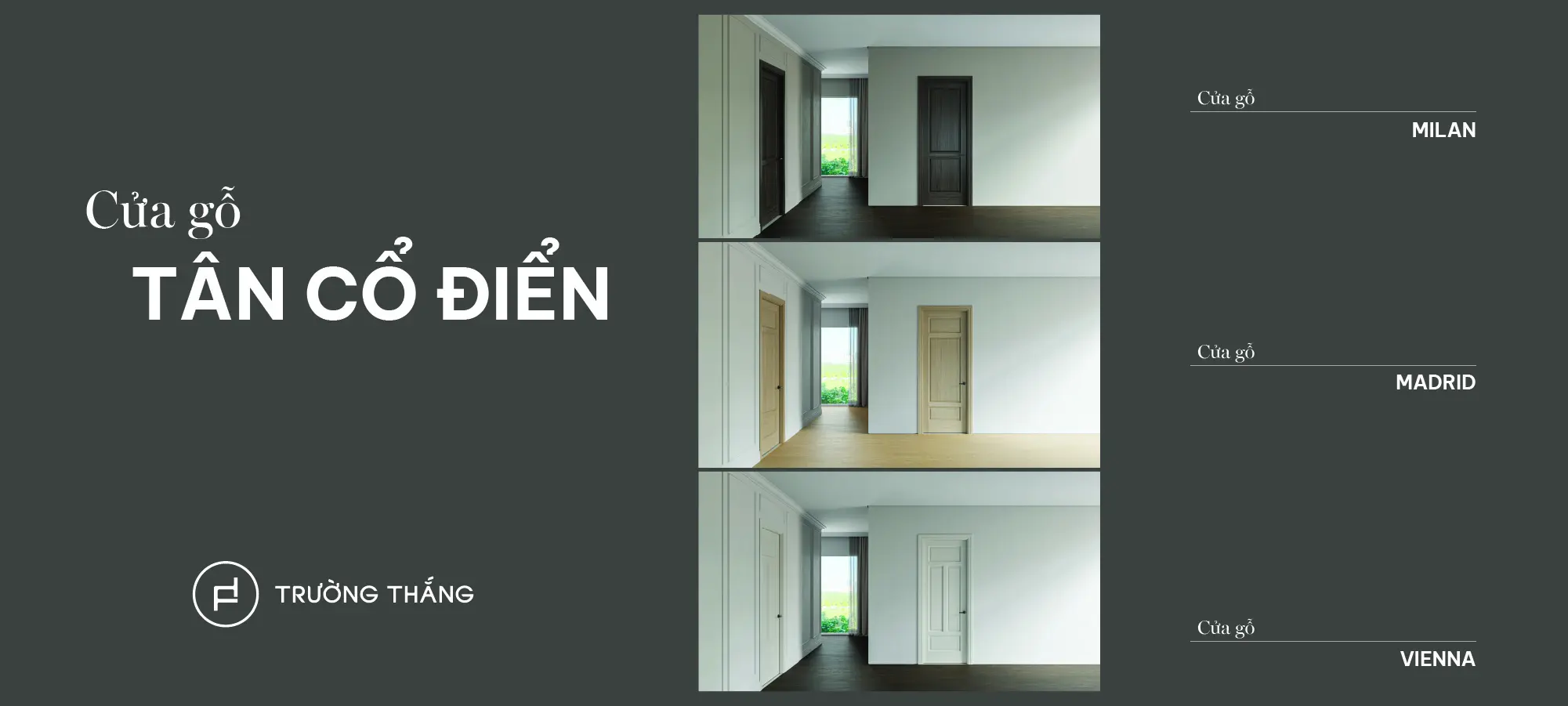
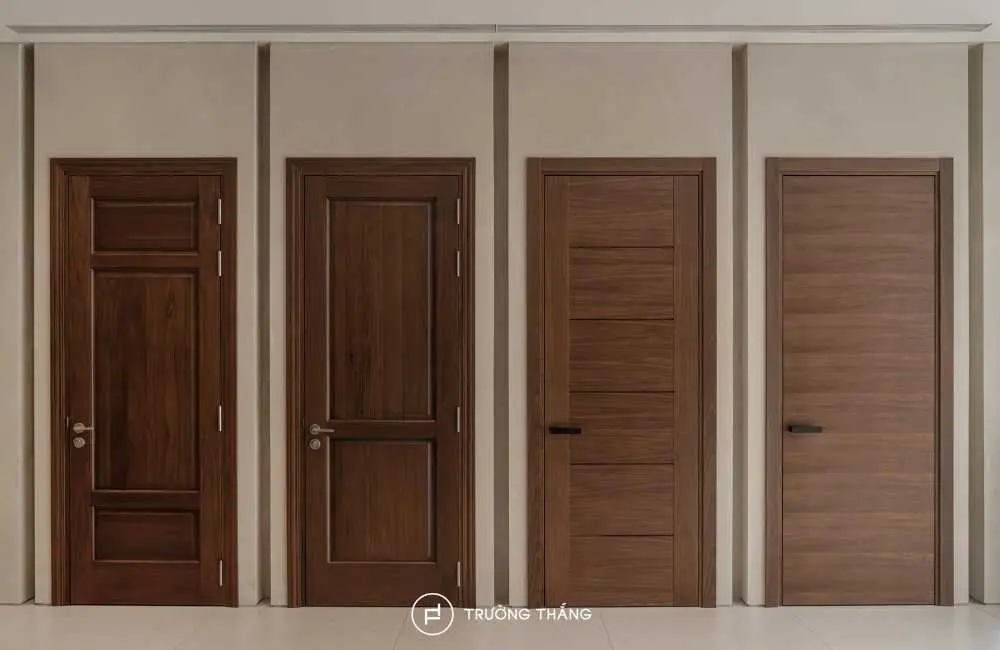
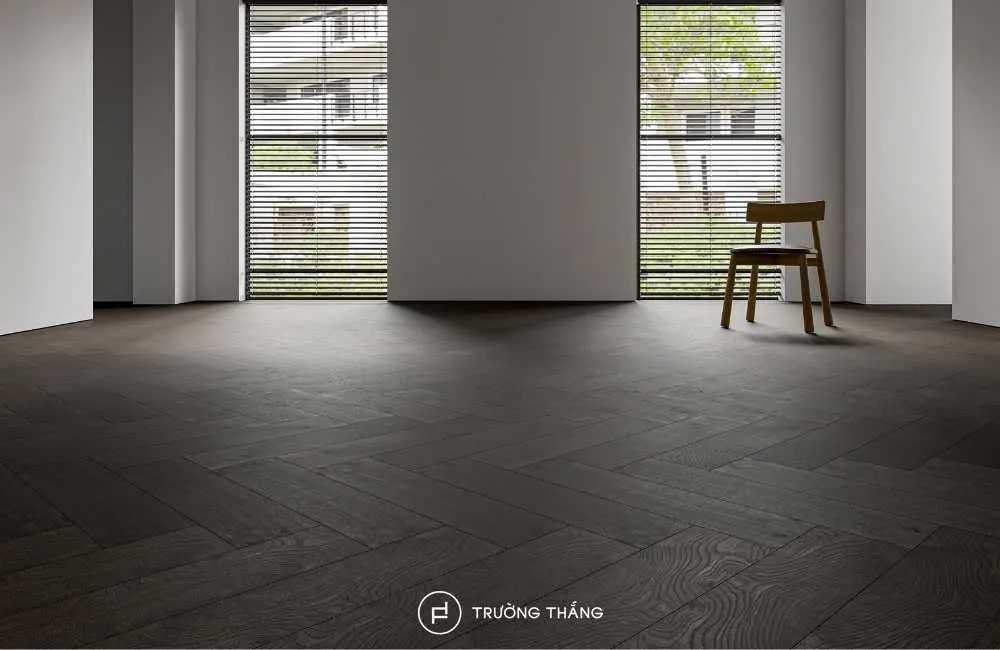
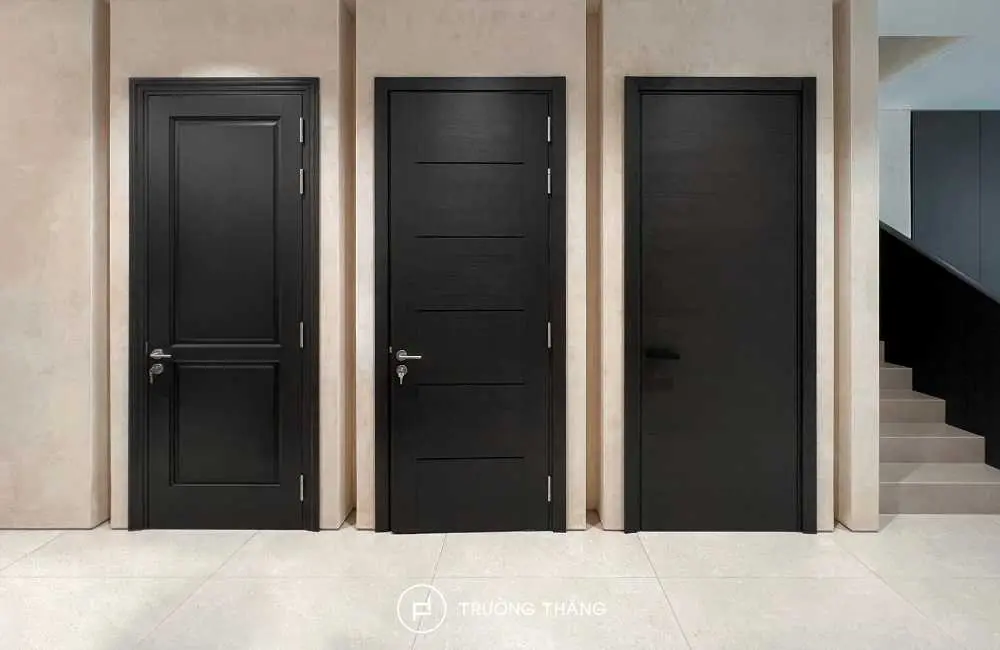
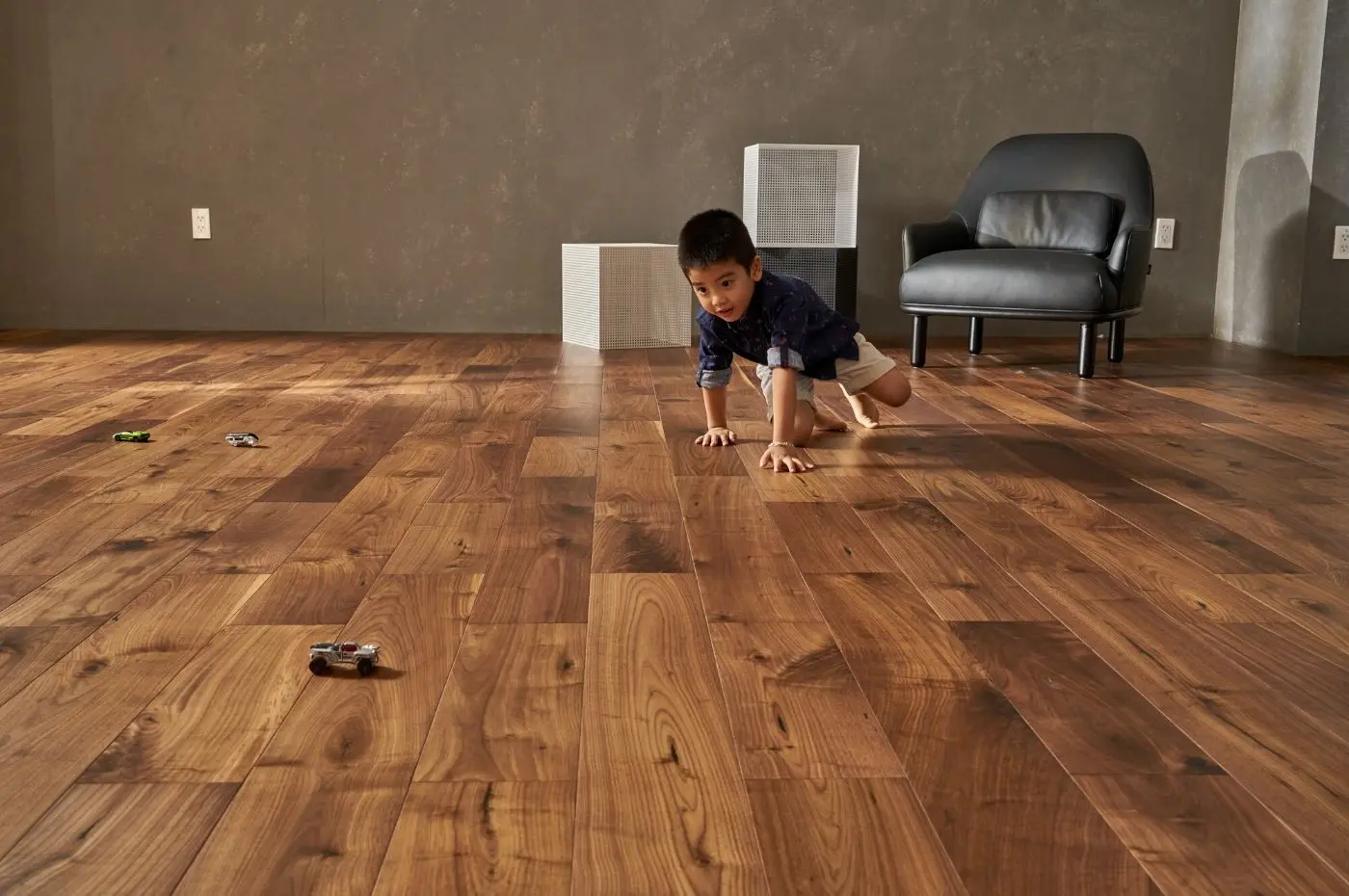
We use BWP plywood for wooden doors and engineered flooring because of its high water resistance and structural stability.
3. Thickness and Layers of Plywood Board
Thickness
The term “ply” refers to layers. The thickness of a plywood board depends on the number of bonded veneer layers. Additional layers create thicker and stronger boards. Most plywood sheets contain at least three layers, while some contain five or more. 3-Ply: These boards are typically 2–3 mm thick and are among the most common plywood types used in residential interiors. 5-Ply: This versatile plywood usually measures around 4 mm thick. It works well for indoor furniture, outdoor furniture, and decorative applications. Multi-Ply: This type contains seven or more layers. It offers excellent strength and durability for long-term structural applications such as roofing systems.
Engineered flooring uses a 9 mm Russian birch plywood core with 7 layers.
Plywood Grades
Plywood board is also classified based on appearance and surface quality. Grade A: Ideal for furniture and cabinetry, Grade A plywood features a smooth sanded surface with only minor imperfections. Grade B: This plywood resembles Grade A but may contain small knots and defects up to 1 inch. Grade C: Grade C plywood remains unfinished and may contain discoloration and visible defects. It is suitable for structural applications where appearance is less important. Grade D: Similar to Grade C, this plywood remains unfinished and may include unrepaired cracks.
4. Applications of Plywood Board
Plywood board appears in many interior applications, from furniture and storage systems to walls, ceilings, and flooring. Traditionally, manufacturers use plywood for furniture, kitchen cabinets, and modular wardrobes. In decorative applications, plywood also works well for wall panels, false ceilings, engineered flooring, and wooden doors, creating a warm and cozy atmosphere inside the home.
5. Advantages and Disadvantages of Plywood Board
Advantages
Convenience: Manufacturers can easily work with plywood using nails and screws without damaging the board. In addition, plywood comes in various sizes, making furniture production more flexible.
Durability: Plywood is known for its strength and stability. It resists warping and shrinkage caused by temperature changes, making it suitable for long-term residential use.
Cost Efficiency: Compared to solid wood, plywood board offers a more economical investment while still delivering excellent quality.
Flexibility: Plywood is available in different sizes, densities, and grades for various applications. Whether you need cabinets, furniture, or decorative wall panels, plywood remains a versatile solution.
Eco-Friendly: Plywood minimizes material waste during production and can often be recycled, making it a more environmentally friendly material.
Disadvantages
Limited Decorative Shaping: Unlike solid wood, plywood cannot easily support carved decorative profiles or intricate detailing.
Delicate Edges: Plywood edges can chip or splinter if handled improperly. Therefore, craftsmen must finish and seal the edges carefully.
Water Damage: Extended water exposure can damage MR plywood because it lacks waterproof properties. For this reason, homeowners should avoid using MR plywood in wet areas.
Difficult Quality Assessment: It can be difficult to evaluate plywood quality at first glance. Therefore, homeowners should always purchase materials from trusted suppliers.
Additional Finishing Required: Unlike natural wood, plywood usually requires laminates, paint, veneer, or polishing to achieve a refined appearance.
Contact Truong Thang for an interior consultation tailored to your lifestyle!
Founded in 2004, Truong Thang has been driven by the vision of building a premium, sustainable interior ecosystem. We are committed to delivering high-quality products that are safe for your health. At the same time, our solutions are tailored to the needs and lifestyle of Vietnamese families.If you’re looking for interior design and building solutions for your home, Truong Thang is a trusted choice. We offer products crafted from premium materials, with refined design and flexible application across various styles and modern living spaces.