
Showroom System               72 - 74 Nguyen Co Thach Street, (Sarimi Building), Sala Urban Area, Ho Chi Minh City               23 Nguyen Luong Bang Street (Greenview Building), Phu My Hung Urban Area, Ho Chi Minh City
Interior Knowledge

What Is Wood Veneer? Applications of Veneer in Modern Interiors

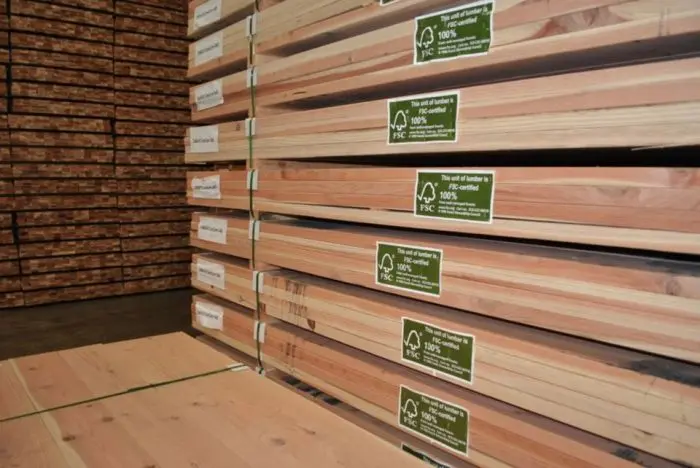
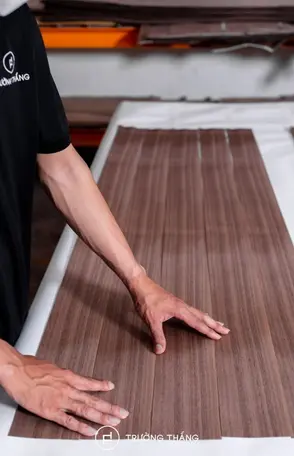
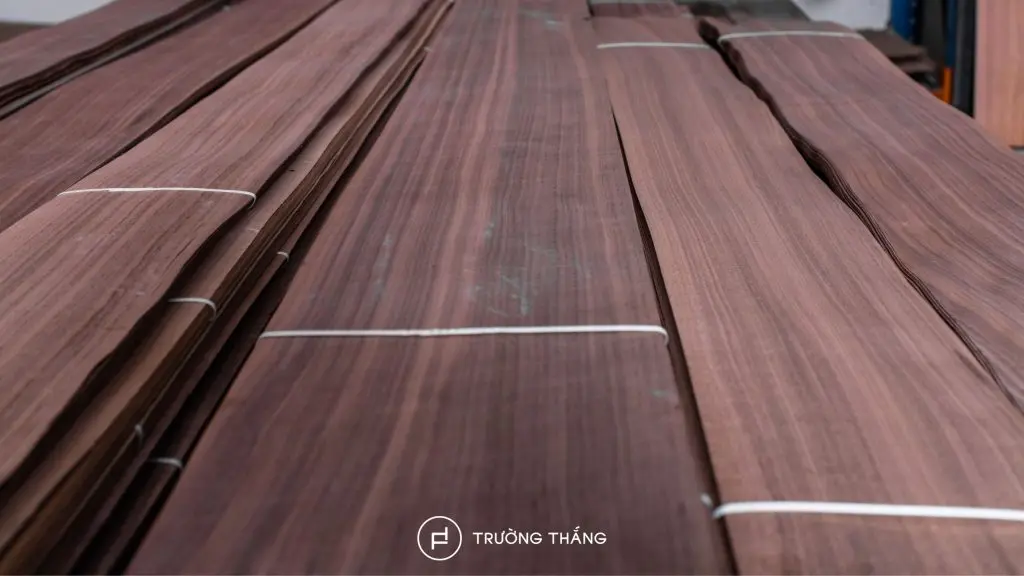
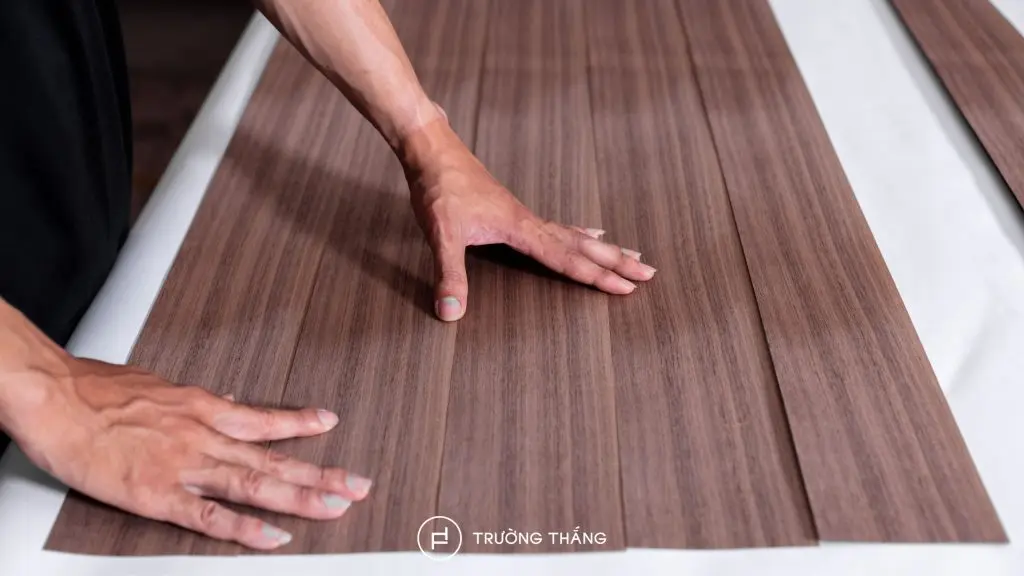
Wood veneer, also known as veneer sheet, is a very thin layer of natural wood. This layer is usually around 0.3mm to 3mm thick. Wood veneer is sliced or peeled from real wood trunks. Then, it is applied to MDF, HDF, or plywood surfaces. Because it keeps a real wood surface, wood veneer brings a natural look. The grain feels authentic, while the color remains warm. At the same time, this material helps optimize costs compared to solid wood.

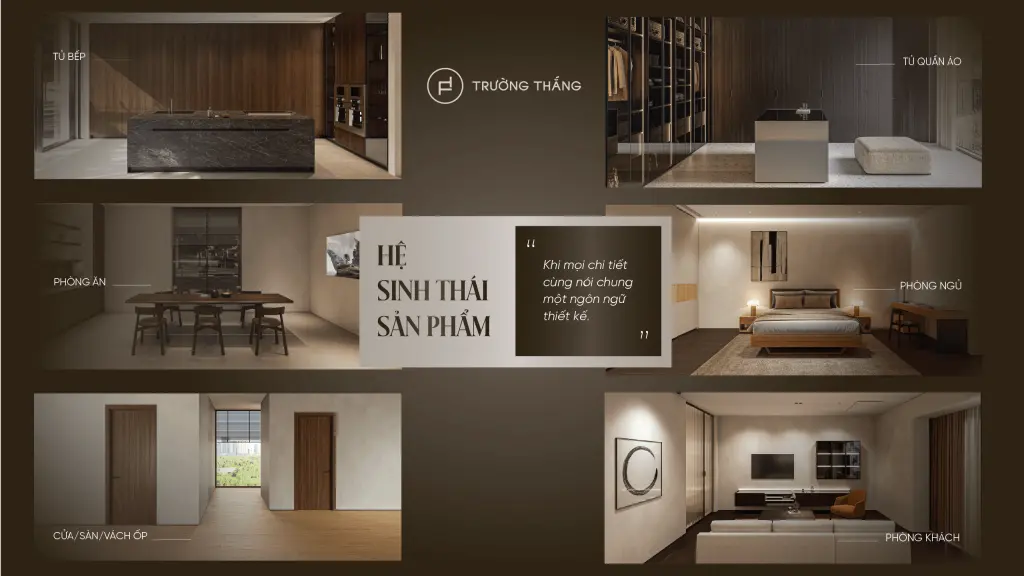
In interior design, wood veneer is used in many applications. These include kitchen cabinets, wardrobes, wooden doors, wall panels, tables, chairs, and interior finishes. Therefore, it is a suitable choice for spaces that need the beauty of natural wood. In addition, the material still meets the need for stability and practical use.

I. What Is Wood Veneer?

Wood veneer is a thin layer of wood taken from natural timber. Common wood species include Oak, Walnut, and Xoan Dao. In addition, other wood types with beautiful grain patterns can also be used for veneer. After being sliced into a thin layer, the veneer is applied to a core material. The core can be engineered wood or plywood. As a result, the product has the appearance of natural wood. At the same time, the inner structure is more stable.

The key value of veneer lies in its surface. Since the outer layer is real wood, the material keeps its natural color. In addition, the grain and depth of the wood are clearly expressed. Therefore, veneer surfaces often feel more authentic than printed wood-grain finishes.

II. Key Features of Wood Veneer

First, wood veneer offers strong aesthetic value. Since the surface is natural wood, the grain has its own depth. As a result, interior products feel warmer and more elegant. In addition, veneer helps use natural wood more efficiently. Instead of using a whole solid wood block, a thin wood layer can cover a large surface. Therefore, this material helps save wood resources.

Moreover, when combined with a suitable core, veneer can reduce warping effectively. This is especially useful for large cabinet systems. The veneer surface still keeps the beauty of real wood. Meanwhile, the inner structure offers better stability. However, veneer is still a thin wood layer. Therefore, it must be treated and pressed with proper techniques. The surface finish is also very important. If placed in an overly humid environment, the surface may be affected.

III. Structure of Veneer Materials

Usually, a product made with wood veneer has two main parts. The surface is a thin layer of natural wood veneer. The layer underneath is a core material such as MDF, HDF, or plywood. The veneer layer creates the outer beauty of the product. Meanwhile, the core material determines structural stability. It also affects load-bearing capacity and durability.

If a moisture-resistant core or high-quality plywood is used, the material becomes more suitable for interiors. For example, it can be used for cabinets, tables, partitions, or cabinet doors. In addition, the finishing layer protects the veneer surface. As a result, the product performs better in daily use.

Therefore, when evaluating a veneer product, the wood grain should not be the only focus. The core material, pressing technique, and finishing quality should also be considered.

IV. Advantages and Limitations of Wood Veneer

Wood veneer brings a beauty close to natural wood. This is an important advantage of the material. First, the real wood surface gives the product more depth. At the same time, it creates a premium and warm feeling. In addition, veneer is more cost-effective than solid wood. As a result, homeowners can apply real wood grain to more interior items.

Moreover, this material suits modern designs. The veneer surface can be finished in many tones. For example, it can appear light, neutral, or warm and deep. Therefore, veneer pairs well with stone, metal, glass, fabric, and painted finishes. However, wood veneer also has some limitations. Since the surface layer is quite thin, its scratch resistance is lower than that of solid wood. In addition, water resistance should also be considered. Therefore, the product needs proper use and care.

At the same time, installation quality strongly affects durability. If the pressing process is not done well, the veneer surface may peel or swell. Moreover, if the edges are not treated properly, moisture may affect the material during use.

V. Applications of Wood Veneer in Interiors

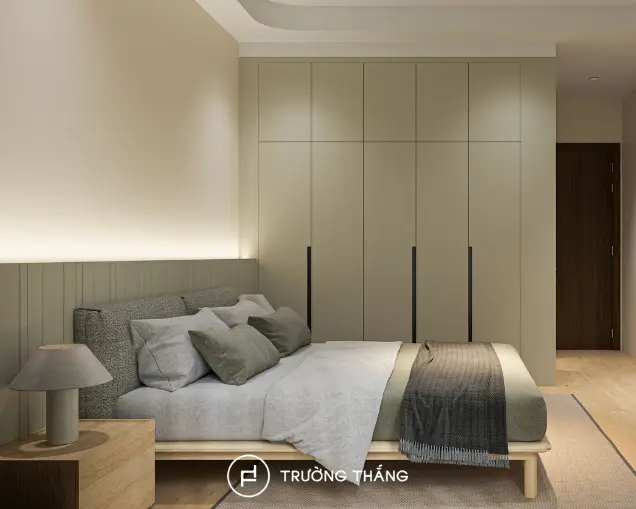
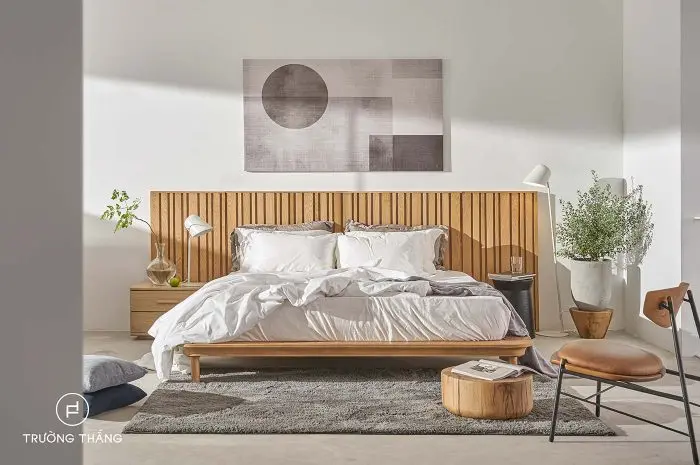
In modern interiors, wood veneer is used in many applications. First, this material often appears in kitchen cabinet systems. Veneer helps the kitchen feel warmer and more natural. When combined with stone, glass, or metal fittings, the kitchen becomes more modern. At the same time, the space still keeps the warmth of real wood. For wardrobes, veneer creates a soft and elegant surface. As a result, large wardrobe systems feel visually lighter. In addition, wood grain also makes the bedroom feel warmer.

For wooden doors, wood veneer gives the door surface a natural look. At the same time, it creates consistency with the surrounding interiors. Therefore, it is a suitable choice for spaces that need a seamless connection between doors, cabinets, flooring, and wall panels.

In addition, veneer is also used for tables, shelves, decorative wall panels, and vanity cabinets. This material is also suitable for many loose furniture pieces. When combined properly, veneer adds depth to the space. However, the overall design remains refined.

VI. Oak Wood Veneer at Truong Thang

At Truong Thang, Oak wood veneer is used in many interior solutions. These applications require natural beauty, modern aesthetics, and long-term value. Oak has clear grain patterns, warm tones, and a welcoming feel. Therefore, this material suits many contemporary lifestyles.

In products such as wooden doors, kitchen cabinets, wardrobes, wall panels, and loose furniture, Oak wood veneer creates an elegant surface. At the same time, it helps the overall interior feel more consistent. When combined with engineered Oak flooring, the space can achieve visual continuity in color. In addition, material consistency also makes the overall space feel warmer and more premium.

Beyond surface beauty, Truong Thang focuses on material processing techniques. From core selection and veneer pressing to edge treatment, each step must be carefully controlled. Then the surface is finished for daily use. As a result, the product is not only visually refined. More importantly, it is designed for long-term use value.

With Oak wood veneer, Truong Thang offers a material solution for homeowners who love the beauty of natural wood. At the same time, this material still meets the need for stability, refinement, and consistency in modern living spaces.

Contact Truong Thang for an interior consultation tailored to your lifestyle!

Founded in 2004, Truong Thang has been driven by the vision of building a premium, sustainable interior ecosystem. We are committed to delivering high-quality products that are safe for your health. At the same time, our solutions are tailored to the needs and lifestyle of Vietnamese families.

If you’re looking for interior design and building solutions for your home, Truong Thang is a trusted choice. We offer products crafted from premium materials, with refined design and flexible application across various styles and modern living spaces.