Showroom System 72 - 74 Nguyen Co Thach Street, (Sarimi Building), Sala Urban Area, Ho Chi Minh City
23 Nguyen Luong Bang Street (Greenview Building), Phu My Hung Urban Area, Ho Chi Minh City
Have you ever wondered what truly makes a product eco-friendly? Do you fully understand the meaning behind the phrase “environmentally friendly”? This article will help answer those questions. Recently, the term “eco-friendly” has appeared everywhere, from product packaging to personal care items. Because brands use this term so frequently, many consumers struggle to understand what an eco-friendly lifestyle and eco-friendly products actually mean. As a result, consumers can easily become confused by misleading environmental claims from companies.
The official definition of eco-friendly means “not harmful to the environment.”
<p>The official definition of eco-friendly is “not harmful to the environment.” For products, this means everything from manufacturing to packaging should minimize environmental impact. However, the situation becomes more complicated in reality. According to the FTC Green Guides, if a company labels a product as eco-friendly, the packaging must clearly explain why the product supports environmental responsibility. Even then, improper consumer use may still create environmental harm. These misleading marketing practices are commonly known as “greenwashing.”
Greenwashing happens when companies use claims such as “eco-friendly,” “green,” or “sustainable” on product packaging without providing meaningful environmental benefits.
Terms like “environmentally friendly,” “eco-friendly,” and “earth-friendly” generally describe products that avoid harming the environment. Meanwhile, the word “green” broadly refers to environmentally conscious ideas and practices. According to Birnur Aral, Ph.D., Director of the Health, Beauty & Environmental Sciences Lab at the GH Institute:
“Green is a broad term that usually reflects better practices for both the environment and people.”
A consumer survey involving more than 5,000 participants showed that 65% of people believe “green” means eco-friendly and environmentally conscious.
“Green” commonly describes ideas related to environmental awareness.
Sustainable Products vs Eco-Friendly Products
The terms “sustainable” and “sustainability” can also have multiple meanings. In general, they describe practices that avoid depleting natural resources while supporting long-term economic growth for future generations. A sustainable business not only creates value for employees and stakeholders but also minimizes or even reverses environmental impacts. Sustainable operations require both profitability and environmental responsibility. Environmental experts often prefer the term “sustainable” over “eco-friendly” because nearly every manufacturing activity creates some environmental impact through water use, electricity consumption, or waste generation. Therefore, no product can be completely eco-friendly. However, when a product is considered sustainable, it usually means the product offers at least one environmentally beneficial feature.
How to Find Truly Eco-Friendly Products
There are many ways to make smarter and more sustainable purchasing decisions. Sabina Wizemann, Senior Chemist at the GH Institute’s Health, Beauty & Environmental Sciences Lab, explains:
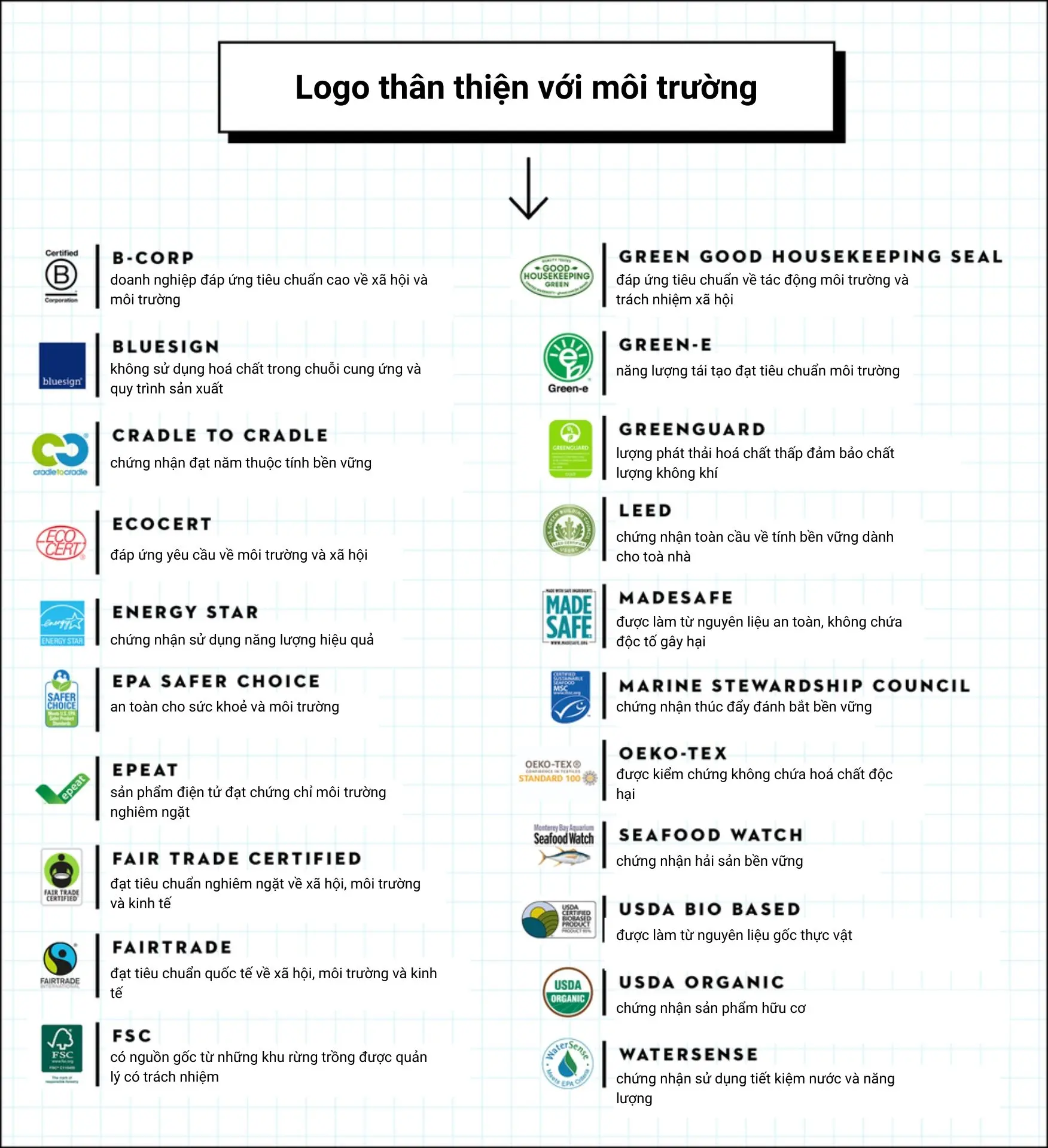
“Effective products are less likely to be discarded or replaced quickly.” This helps reduce waste significantly. Consumers should look for products certified by trusted third-party organizations, such as EcoCert Cosmos for organic cosmetics or Fair Trade certifications for ethical sourcing. Avoid products that use misleading green symbols or exaggerated environmental claims. Instead, look for reliable eco-certification logos that verify specific environmental standards.
Eco-friendly product certification logos.
Smart and Sustainable Shopping Tips
Buy Only What You Truly Need
Every product requires energy and resources during manufacturing. Therefore, purchasing fewer unnecessary products helps reduce environmental impact. If you often stockpile items you rarely use, it may be time to reconsider your shopping habits.
Choose Reusable Products
Reusable items help reduce plastic waste significantly. For example:
Bring reusable shopping bags
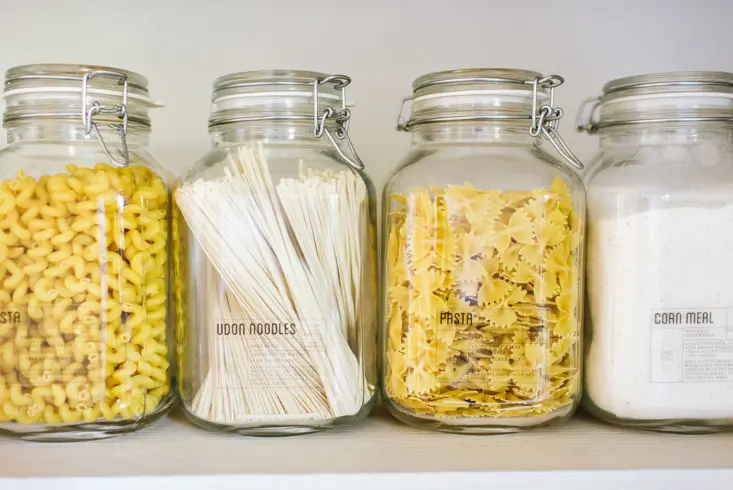
Use glass containers instead of plastic packaging
Replace plastic wrap with beeswax food wraps
Avoid single-use plastic cups and straws
Reusable products such as fabric bags, glass containers, and beeswax wraps support sustainable living.
Reuse Textile Products
For clothing and bedding, reuse remains one of the most sustainable choices. Whether sharing clothes with friends or purchasing second-hand products online, extending the life cycle of textiles creates less environmental impact than manufacturing new items. Even recycled textiles and natural fibers still require energy and water during production.
Choose Recyclable Natural Materials
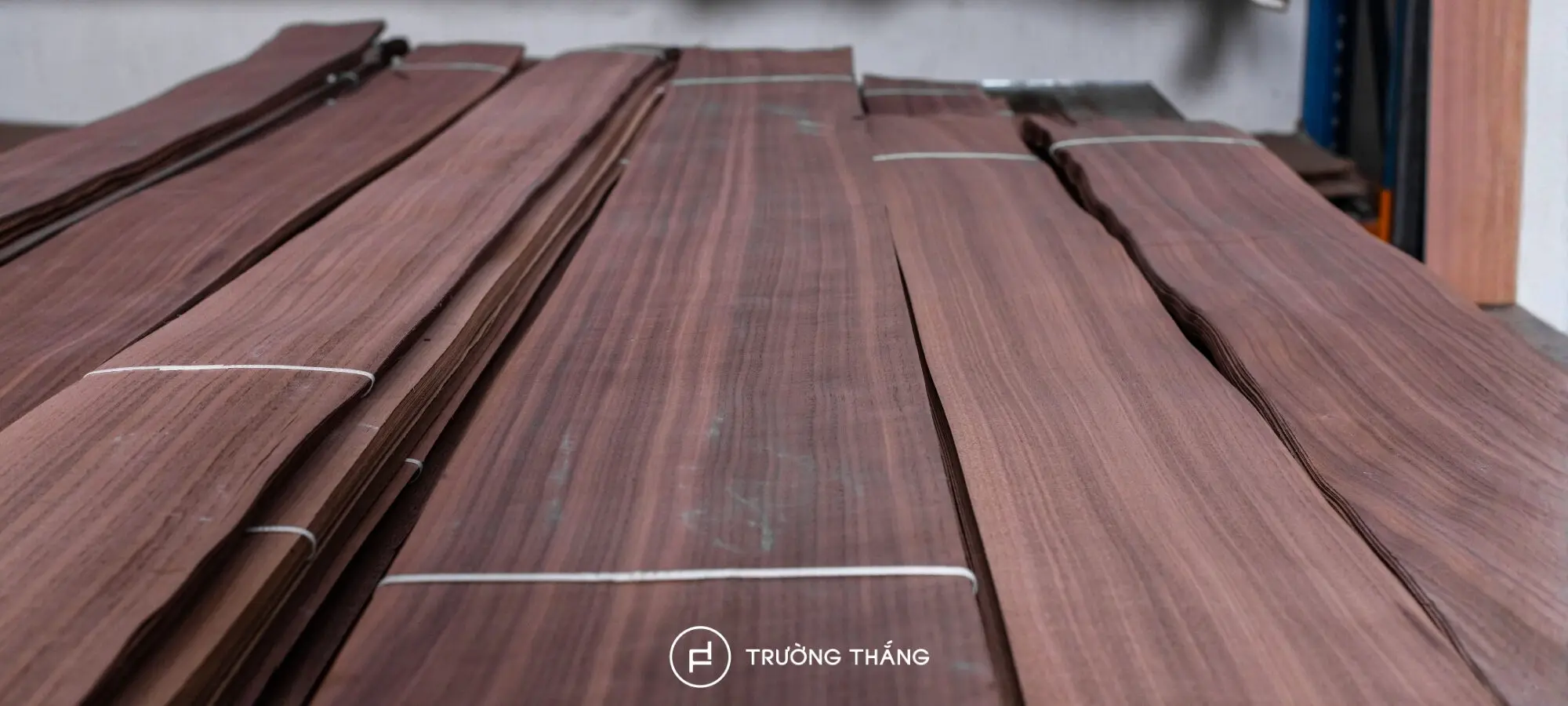
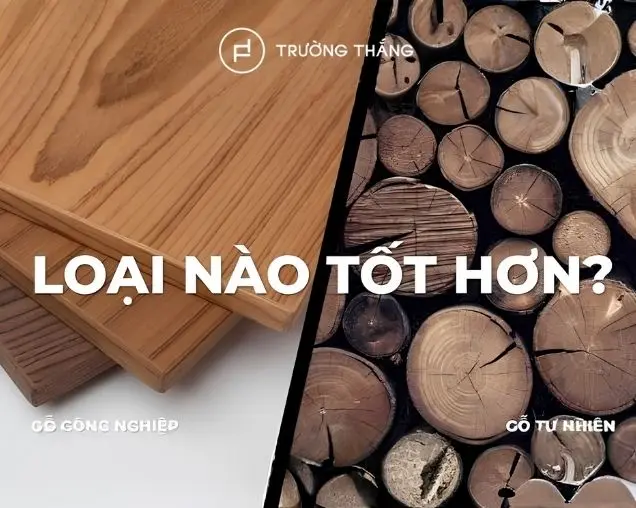
When purchasing new products, prioritize recyclable natural materials such as wood. Consumers should especially look for FSC-certified wood species like oak and walnut. Wood remains durable while also offering strong recycling potential for future products.
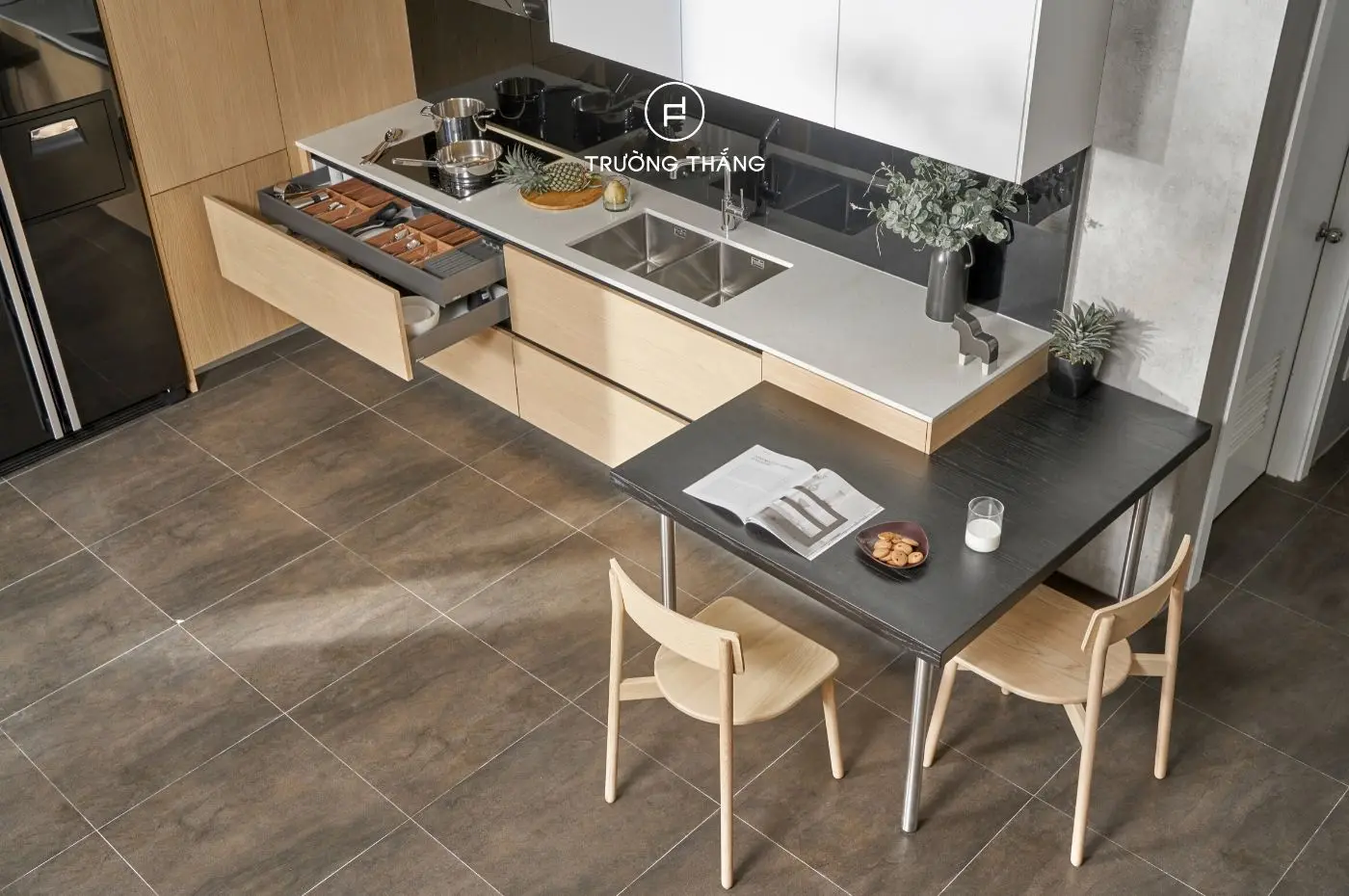
Using FSC-certified imported wood furniture has become a popular sustainable living trend.
Use Plant-Based Cleaning Products
Carolyn Forte, Director of the Home Care & Cleaning Products Lab at the GH Institute, recommends: “Look for products containing safer ingredients, such as plant-based cleaners and products certified by EPA Safer Choice.” Although regulations do not always require full ingredient transparency, many companies now voluntarily disclose ingredient sources. This practice helps consumers better understand product composition while encouraging brands to adopt renewable resources.
Look for Minimal Packaging
Avoid products with excessive packaging layers or unnecessary plastic films. Instead, choose products with minimal packaging made from recycled materials such as cardboard or aluminum. For example:
Bar soap usually uses less packaging
Toys packaged with sustainable materials create less waste
Contact Truong Thang for an interior consultation tailored to your lifestyle!
Founded in 2004, Truong Thang has been driven by the vision of building a premium, sustainable interior ecosystem. We are committed to delivering high-quality products that are safe for your health. At the same time, our solutions are tailored to the needs and lifestyle of Vietnamese families.
If you’re looking for interior design and building solutions for your home, Truong Thang is a trusted choice. We offer products crafted from premium materials