
Showroom System               72 - 74 Nguyen Co Thach Street, (Sarimi Building), Sala Urban Area, Ho Chi Minh City               23 Nguyen Luong Bang Street (Greenview Building), Phu My Hung Urban Area, Ho Chi Minh City
Interior Knowledge

Comparing Interior Surface Finishes: Oak Veneer & Lacquer

Interior surface finishes directly influence the feeling of a living space. With the same kitchen cabinet or wardrobe system, changing the surface material alone can make the overall design feel warmer, more elegant, more minimal, or more modern.

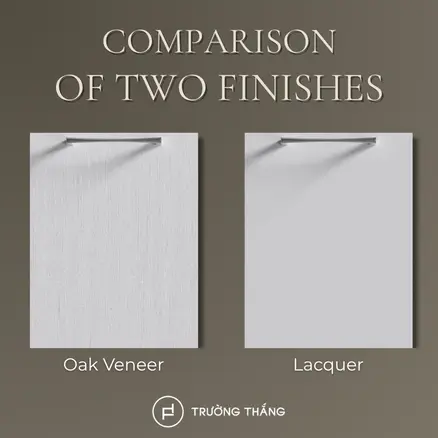
In today’s interior design, two commonly used surface finishes are wood veneer and lacquer. Wood veneer brings natural beauty with real wood grain. Meanwhile, lacquer creates a smooth, seamless surface with flexible color options. At Truong Thang, choosing a surface finish is not only about aesthetics. More importantly, the material needs to suit the function, lifestyle, and overall consistency of the entire interior system.

I. What Are Interior Surface Finishes?

Interior surface finishes are the outermost layer of a product. This is the part users see, touch, and experience every day.

For kitchen cabinets, wardrobes, wooden doors, or wall panels, the surface finish plays an important role in shaping the emotion of the space. A real wood surface can create a warm feeling. In contrast, a smooth painted surface can bring a sense of simplicity and modernity. In addition, the surface finish also affects durability, ease of cleaning, and product maintenance. Therefore, homeowners should understand the characteristics of each material before making a decision.

II. Wood Veneer: Natural Beauty from Real Wood Grain

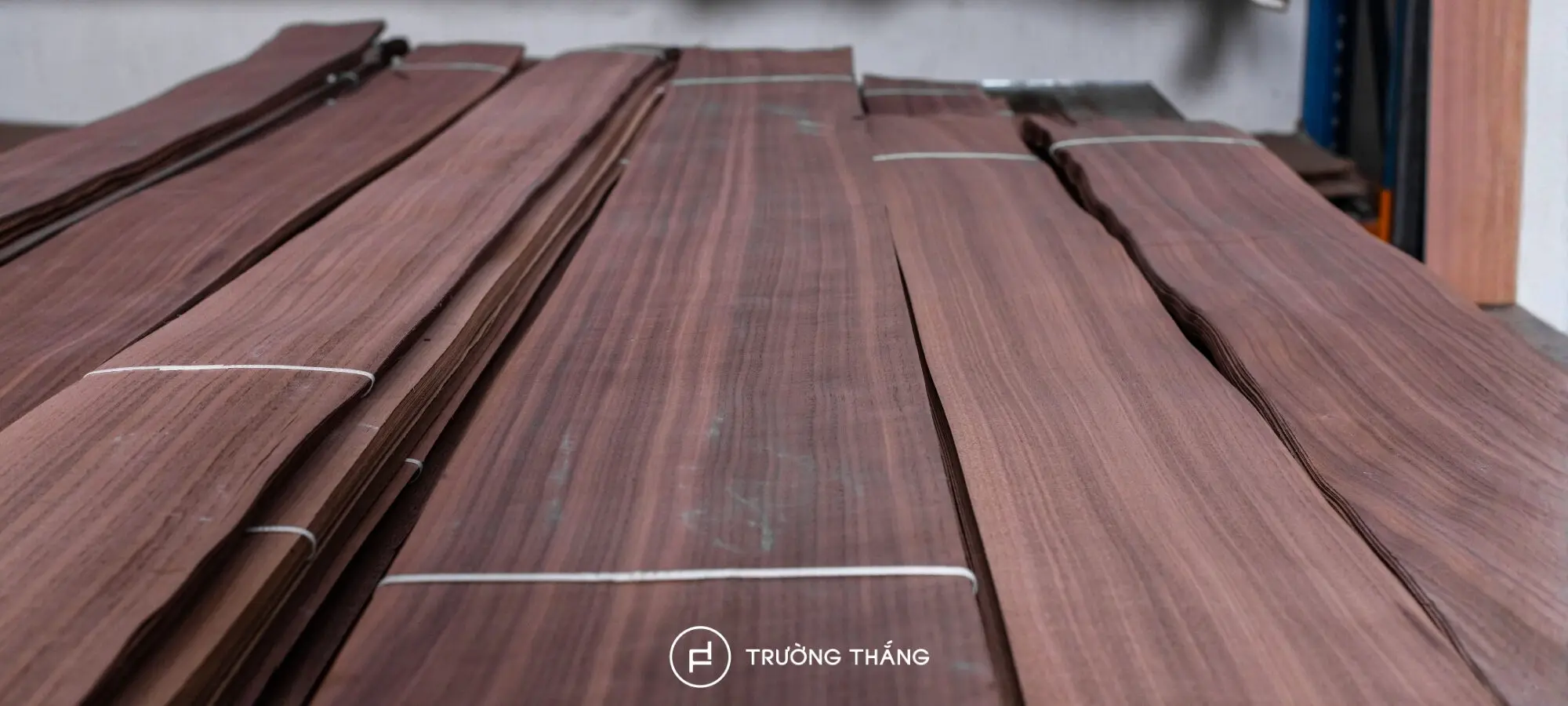
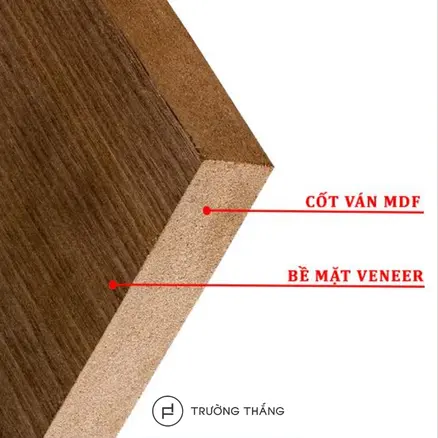
Wood veneer is a thin layer of natural wood applied onto a wood-based core. Although the layer is thin, veneer still retains the color, texture, and natural grain of wood.

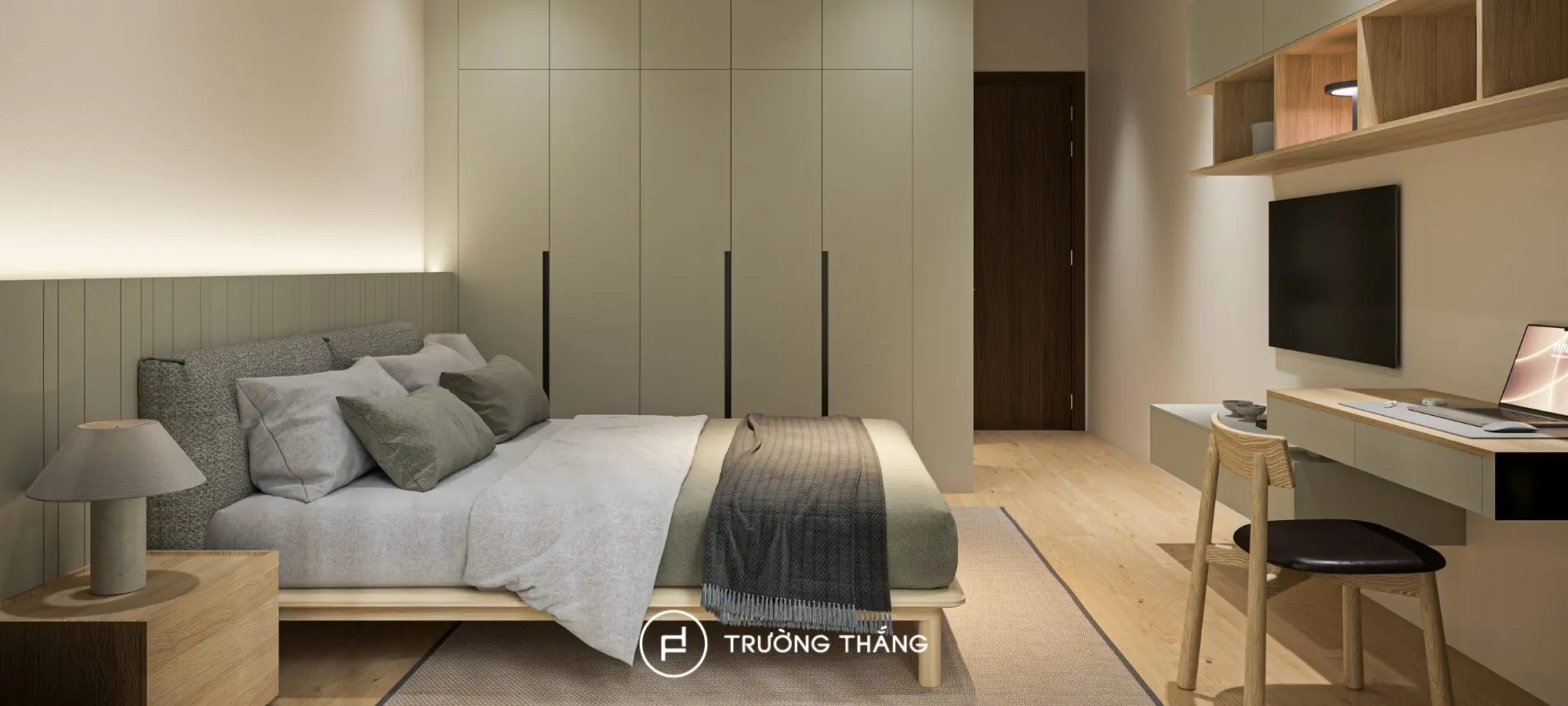
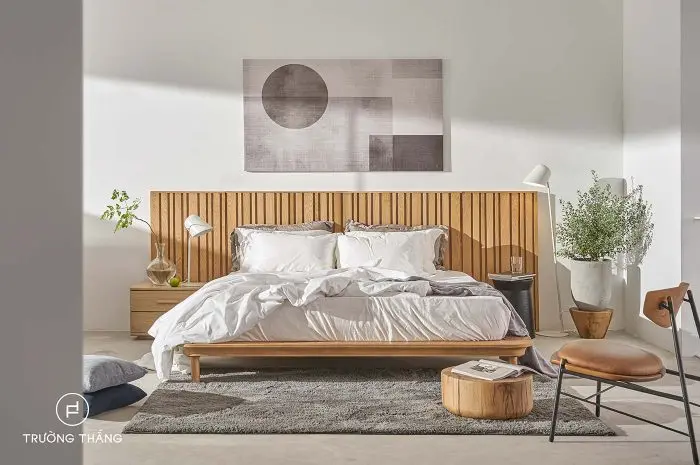
The key appeal of veneer lies in its authentic feeling. Each veneer sheet has its own grain pattern and is never completely identical. As a result, interior products gain more depth and a more distinctive beauty. In living spaces, wood veneer often creates a warm and welcoming feeling. In particular, Oak veneer suits designs that value natural beauty, elegance, and long-lasting appeal. When paired with wood flooring, the overall space becomes more seamless in both color and material.

III. Lacquer: A Smooth Surface for Modern Spaces

Lacquer is a finishing surface that creates a smooth colored coating over a wood-based core. Unlike veneer, this surface does not reveal wood grain. Instead, it creates a flat, clean, and seamless appearance.

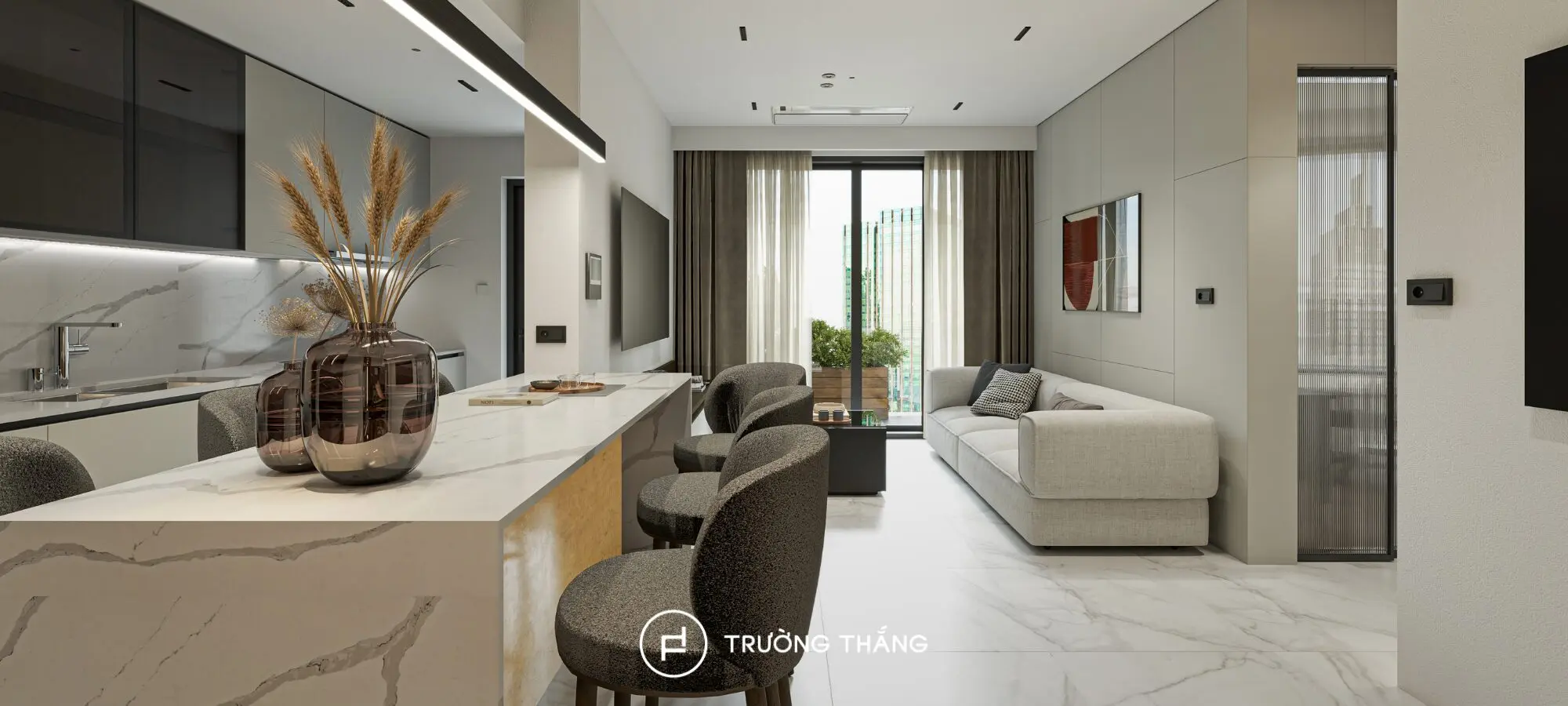
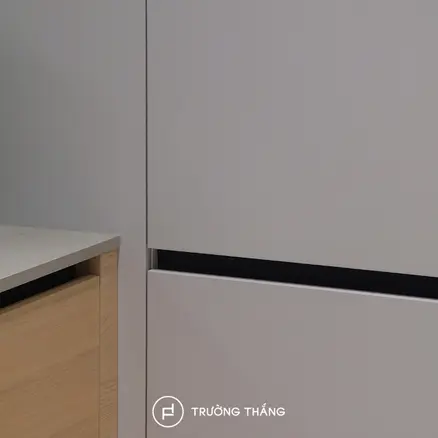
One major advantage of lacquer is color flexibility. Homeowners can choose neutral tones such as white, cream, gray, and brown, or more modern accent colors. In addition, the surface can be finished in different effects, such as matte, semi-matte, or glossy. In modern kitchen cabinet and wardrobe designs, lacquer helps the system look visually cleaner. Especially with flat cabinet doors, the smooth painted surface highlights the simplicity of the lines. Therefore, lacquer is suitable for spaces that favor a modern, light, and well-controlled color palette.

IV. How Are Wood Veneer and Lacquer Different?

Wood veneer and lacquer each play a different role in interior design. However, each surface brings a different feeling.

Wood veneer suits homeowners who love natural beauty. Real wood grain gives the space more depth and warmth. When used for kitchen cabinets or wardrobes, veneer creates a welcoming yet elegant impression. Meanwhile, lacquer suits spaces that need a seamless and minimal look.

In terms of maintenance, wood veneer needs more careful use because the surface wood layer is relatively thin. Homeowners should avoid standing water, strong impact, and harsh cleaning chemicals. On the other hand, lacquer offers easier control over color and surface consistency. However, the final quality depends greatly on craftsmanship and the painting process. Therefore, neither option is always better in every case. More importantly, the right surface should be chosen for the right application and lifestyle.

V. Consistent Surfaces in the Truong Thang Interior Ecosystem

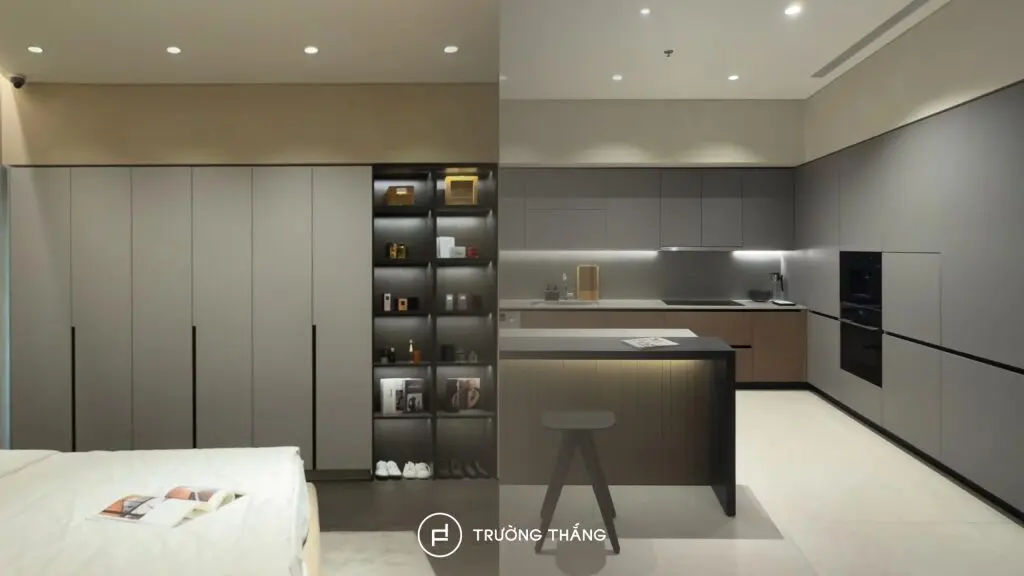
A beautiful space does not come from individual products alone. At Truong Thang, surface finishes are considered within the overall interior ecosystem. Oak veneer can connect with flooring, doors, and other interior details. Meanwhile, lacquer helps create clean, modern, and balanced color blocks.

When these two surface groups are combined properly, the space gains more depth. At the same time, the overall design remains light, seamless, and aesthetically lasting over time. Therefore, choosing interior surface finishes is not only about selecting a color or material. It is also a way for homeowners to shape the emotion, style, and living experience inside their own home.

Contact Truong Thang for an interior consultation tailored to your lifestyle!

Founded in 2004, Truong Thang has been driven by the vision of building a premium, sustainable interior ecosystem. We are committed to delivering high-quality products that are safe for your health. At the same time, our solutions are tailored to the needs and lifestyle of Vietnamese families.

If you’re looking for interior design and building solutions for your home, Truong Thang is a trusted choice. We offer products crafted from premium materials, with refined design and flexible application across various styles and modern living spaces.